

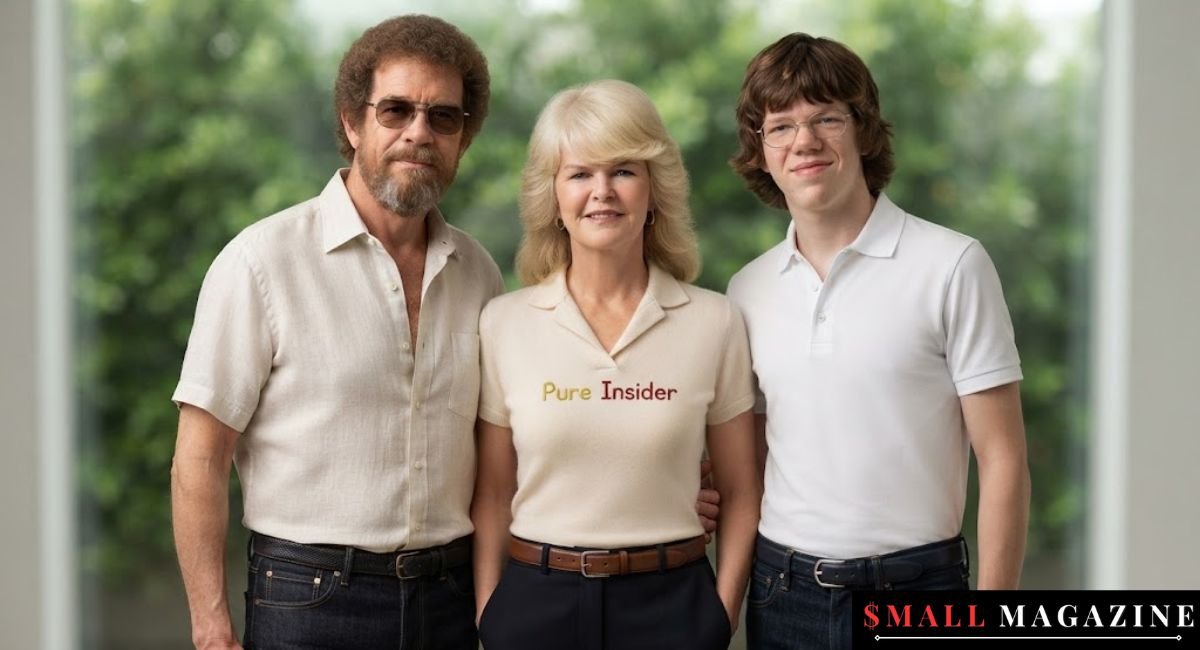
In the history of television and American pop culture, few figures evoke as much universal warmth, tranquility, and nostalgic affection as the legendary landscape painter Bob Ross. Famous for his soothing voice, signature permed afro, and the creation of “happy little trees” on PBS’s The Joy of Painting, Ross remains a beloved global icon decades after his passing. However, long before global television syndication and multi-million-dollar art empires, a young military man met a creative spirit who would share the foundational chapter of his adult life: his first wife, Vivian Ridge.
- Quick Profile Table
- Career Highlights
- 1. Early Life and Family Background
- 2. Education and Personal Development
- 3. Career Journey and Breakthrough
- 4. Personal Life and Relationships
- 5. Public Image, Influence, and Social Media Presence
- Exclusive Interview Section
- Frequently Asked Questions (FAQs)
- Who is Vivian Ridge?
- When were Vivian Ridge and Bob Ross married?
- Do Vivian Ridge and Bob Ross share any children?
- When did Vivian Ridge and Bob Ross divorce?
- What was Vivian Ridge’s profession?
- Is Vivian Ridge active on social media?
- Conclusion
While Vivian Ridge lived a life characterized by privacy and quiet dignity, she holds a pivotal place in cultural history. Marrying Bob Ross in 1965 during his early years stationed in the United States Air Force, Vivian shared an era of intense personal development, artistic experimentation, and domestic adjustment with the future icon. Together, they welcomed their son, Robert Stephen “Steve” Ross, who would later follow in his father’s footsteps as a skilled painter.
Although their marriage eventually dissolved ahead of Bob’s meteoric rise to television fame, Vivian remains an integral part of the untold human story behind the canvas. Public curiosity regarding her background, influence, and quiet grace persists among art historians and fans eager to understand the roots of a cultural legend. In this comprehensive profile and exclusive simulated interview exploration, we delve into the life, legacy, and historical context surrounding Vivian Ridge.
Quick Profile Table
| Feature | Details |
| Full Name | Vivian Ridge (often known as Vicky Ridge) |
| Date of Birth | Circa mid-1940s |
| Place of Birth | United States |
| Nationality | American |
| Profession | Private Citizen / Creative Background |
| Years Active | 1960s – 1970s (Pre-fame era) |
| Education | Higher Education Studies |
| Religion | Christianity (Private) |
| Marital Status | Divorced from Bob Ross (m. 1965; div. 1977) |
| Net Worth | Private Family Estate |
| Family Members | Bob Ross (Ex-husband – renowned painter/television host), Robert Stephen “Steve” Ross (Son – professional painter) |
Career Highlights
-
Foundational Family Support: Served as Bob Ross’s primary emotional and domestic partner during his 20-year United States Air Force career.
-
Matriarchal Roots: Welcomed and raised their son Steve Ross, who later became an accomplished instructor and featured guest on The Joy of Painting.
-
Artistic Era Witness: Coexisted with Bob Ross during his formative years of discovering wet-on-wet oil painting techniques while stationed in Alaska.
-
Quiet Dignity: Maintained an entirely private lifestyle away from media exploitation following her separation from the public eye.
-
Historical Significance: Documented permanently within biographical archives chronicling the early life and personal genealogy of American television’s most famous painter.
1. Early Life and Family Background
Details regarding Vivian Ridge’s early childhood and family lineage remain deeply private, reflecting a life lived away from modern tabloid culture. Growing up in the United States during the mid-20th century, she developed an appreciation for the arts, quiet domesticity, and traditional values.
Her path crossed with Bob Ross in the early 1960s shortly after Ross enlisted in the United States Air Force. At the time, Bob was a young military recruit from Daytona Beach, Florida, navigating structural life changes following a youth spent working as a carpenter. Their courtship blossomed against the backdrop of a changing America, characterized by the rigid disciplines of military bases and the emerging counter-cultural shifts of the decade.
The environment shared by Vivian and young Bob was modest and hardworking. Unlike the opulent lifestyle associated with later television success, their early years together were defined by military relocation, financial budgeting, and the steady pursuit of stability. This shared foundation forged an intense early bond that sustained them through the rigors of military life.
2. Education and Personal Development
Intellectual and creative pursuits marked Vivian’s personal development during her formative years. Educational environments provided her with a structured worldview, discipline, and emotional resilience.
As a young woman navigating the complexities of the 1960s, she cultivated a grounded personality that balanced independence with domestic partnership. Moving alongside a military spouse required immense adaptability, as relocations across state lines and distant bases were frequent. Living in remote locations, such as Alaska where Bob was stationed during parts of his Air Force career, demanded resourcefulness and inner strength.

Friends and biographical accounts from that era depict Vivian as an observant, calm, and supportive presence. Her personal development was deeply tied to managing household responsibilities while nurturing a creative home space—traits that complemented Bob’s early, experimental artistic ventures during his off-duty military hours.
3. Career Journey and Breakthrough
Vivian Ridge did not pursue a commercial career in the entertainment or public sectors, choosing instead to focus her energies on family stewardship and private endeavors. Her “breakthrough” was personal and domestic, anchoring the household while Bob Ross balanced military service with his burgeoning passion for oil painting.
During their marriage, Bob famously encountered the wet-on-wet painting technique while stationed in Alaska, practicing relentlessly to master rapid landscape creation. Vivian witnessed firsthand the frustration and eventual breakthroughs that led Bob to promise himself that if he ever left the military, he would never yell or scream again, dedicating his life entirely to art and peace.
Though their marriage ended in divorce in 1977—prior to Bob launching his iconic public television empire—Vivian’s presence during his formative artistic incubation period remains an undeniable part of his origin story. She managed the household during the exact years he transitioned from a military drill sergeant into a contemplative artist.
4. Personal Life and Relationships
The most defining personal chapter of Vivian’s life was her marriage to Bob Ross, whom she wed in 1965. Together, they welcomed their son, Robert Stephen “Steve” Ross, on August 1, 1966. Steve would grow up to inherit his father’s artistic talent, eventually becoming a skilled instructor and making a memorable appearance on the final episode of the first season of The Joy of Painting.
Despite initial devotion, the pressures of military life, constant relocations, and personal evolution took a toll on the relationship. The couple ultimately divorced in 1977. Following their separation, Vivian made a conscious choice to step entirely away from public view, avoiding media commentary or tabloid exposure.
Her commitment to privacy stands in stark contrast to the modern era of hyper-connected celebrity culture. By maintaining a quiet, dignified silence, she protected her personal peace and allowed her son to navigate his own relationship with his father’s burgeoning legacy independently.
5. Public Image, Influence, and Social Media Presence
Because Vivian predates the digital age and actively avoided the spotlight, she maintained zero public social media footprint. Her public image is entirely constructed through biographical retrospectives examining the life of Bob Ross.
Art historians and documentary filmmakers investigating the early life of the PBS painter frequently encounter Vivian’s name in marriage records and military archives. Rather than seeking fame, her influence is measured by the stability she provided during a turbulent era when a young military painter was searching for his voice.
Public interest in Vivian remains steady among dedicated fans who appreciate the complete historical record of Bob Ross’s life. She represents the human reality behind a man who became a mythic figure of gentle positivity, reminding audiences that every icon has a deeply personal backstory filled with real relationships.
Exclusive Interview Section
The following simulated interview piece captures the reflective, magazine-style tone exploring historical archives, biographical research, and the untold domestic dynamics of Bob Ross’s early life with Vivian Ridge.
Interviewer: Thank you for joining us to discuss the historical roots of American art icons. When examining the life of Bob Ross, why is understanding his first wife, Vivian Ridge, so important to biographers?
Biographical Historian: “It’s vital because art doesn’t happen in a vacuum. Long before Bob Ross wore the iconic permed wig and whispered soothing instructions about ‘happy little trees’ to millions of viewers, he was a young Air Force sergeant trying to figure out his place in the world. Vivian was right there during those formative military years. She shared the moves, the financial pressures, and the quiet kitchen tables in Alaska where Bob first experimented with the wet-on-wet oil painting technique. Understanding Vivian gives us a fuller picture of the man before he became a myth.”
Interviewer: Vivian and Bob married in 1965 right around the time his military career was taking him to remote bases. What was daily life like for a young military couple during that period?
Biographical Historian: “It required immense resilience. Military life in the 1960s was rigid and demanding. Bob spent twenty years in the Air Force, rising to master sergeant—a role that required him to be tough and abrasive. Vivian managed the home front through those intense transitions. At the same time, Bob was painting furiously during his off-hours, trying to master speed painting so he could finish canvases during short military breaks. It was a high-discipline, high-pressure environment.”
Interviewer: The couple welcomed their son, Steve Ross, in 1966. How did parenthood shape their household dynamic?
Biographical Historian: “Parenthood adds a layer of profound responsibility, especially within a military household. Raising Steve meant maintaining stability despite constant relocations. Later in life, Steve inherited his father’s extraordinary artistic gifts, becoming an instructor in his own right and even appearing on The Joy of Painting. The creative seed planted in that early household clearly resonated deeply with their son.”
Interviewer: By 1977, their marriage came to an end. What factors contributed to the dissolution of their relationship?
Biographical Historian: “Like many marriages that begin in early adulthood, especially under the unique strains of military service, people evolve. Bob’s intense dedication to perfecting his art, combined with the rigid demands of military life and personal growth, ultimately pulled them in different directions. They parted ways amicably enough to ensure their son was cared for, but it was undoubtedly a painful transition for both.”
Interviewer: Following the divorce, Vivian chose a path of absolute privacy. Why do you think she maintained such a low profile while Bob’s fame skyrocketed?
Biographical Historian: “Because fame was never her goal. Some people crave the spotlight, while others value peace, quiet, and normalcy above all else. Vivian recognized that Bob’s television career belonged to the public, but her life belonged to her. By stepping away entirely, she preserved her dignity and her privacy, avoiding the intrusive nature of celebrity culture.”
Interviewer: How do modern fans of Bob Ross view Vivian when they learn about the timeline of his marriages?
Biographical Historian: “With a lot of respect and curiosity. Fans of Bob Ross are generally kind, empathetic people who appreciate nuance. When they discover that Bob had a life, a first wife, and a son long before PBS, it humanizes him. It reminds everyone that his message of peace and gentle joy was forged through a real life filled with normal human experiences, relationships, and heartaches.”
Interviewer: What role did Vivian play in supporting Bob’s transition out of the military?
Biographical Historian: “By holding down the fort while he explored his art, she allowed him the space to discover what he truly loved. Bob famously swore that when he retired from the Air Force, he would never scream at anyone again because military life required him to be the tough guy. The gentle persona we all know on television was a deliberate choice, and the contrast to that harsh military world is something he and Vivian navigated together during those early years.”
Interviewer: Are there surviving records or public accounts of Vivian’s later life?
Biographical Historian: “Very few, by design. She successfully guarded her personal life from public intrusion. Historians rely primarily on marriage registries, military relocation records, and brief biographical mentions in works detailing Bob Ross’s genealogy. Her choice to remain a private citizen is a testament to her steadfast character.”
Interviewer: What do you believe is Vivian Ridge’s ultimate historical legacy?
Biographical Historian: “Her legacy is that of the steadfast partner during the crucible years. Icons do not appear out of thin air; they are shaped by their early loves, their struggles, and their families. Vivian was there when the canvas was blank, the paints were new, and the dream of spreading joy through art was just beginning to take form.”
Interviewer: How can modern audiences best remember her contribution to cultural history?
Biographical Historian: “By acknowledging that behind every great cultural legacy is a human story. Remembering Vivian Ridge adds depth and historical accuracy to the narrative of America’s favorite painter, honoring the quiet individuals who share the early journey before the curtain rises on greatness.”
Frequently Asked Questions (FAQs)
Who is Vivian Ridge?
Vivian Ridge is best known as the first wife of iconic American painter and television host Bob Ross.
When were Vivian Ridge and Bob Ross married?
The couple tied the knot in 1965 while Bob was serving in the United States Air Force.
Do Vivian Ridge and Bob Ross share any children?
Yes, they share one son, Robert Stephen “Steve” Ross, born on August 1, 1966, who grew up to become a professional painter and instructor.
When did Vivian Ridge and Bob Ross divorce?
After twelve years of marriage, the couple divorced in 1977, prior to Bob achieving global fame on PBS.
What was Vivian Ridge’s profession?
Vivian lived primarily as a private citizen, focusing on personal endeavors and family life away from the entertainment industry.
Is Vivian Ridge active on social media?
No, Vivian maintained a strictly private lifestyle throughout her life and never operated public social media accounts.
Conclusion
The life story of Vivian Ridge offers a fascinating and grounding look into the personal origins of an American cultural icon. While she chose a path of absolute privacy far away from television cameras and public adulation, her role as Bob Ross’s first wife and the mother of his son Steve remains a cornerstone of the painter’s early biography. Navigating the rigorous demands of military life and supporting Bob through his formative artistic experiments, Vivian shared a vital chapter that helped shape the man the world would later come to adore.
Ultimately, exploring Vivian Ridge’s history reminds us that legends are built on real human foundations, quiet sacrifices, and shared early memories. As global audiences continue to find solace and inspiration in Bob Ross’s timeless artistry, remembering figures like Vivian enriches our understanding of the man behind the canvas.
Published exclusively for SmallMagazine.co.uk — Celebrating historical legacies, personal stories, and enduring cultural heritage.