

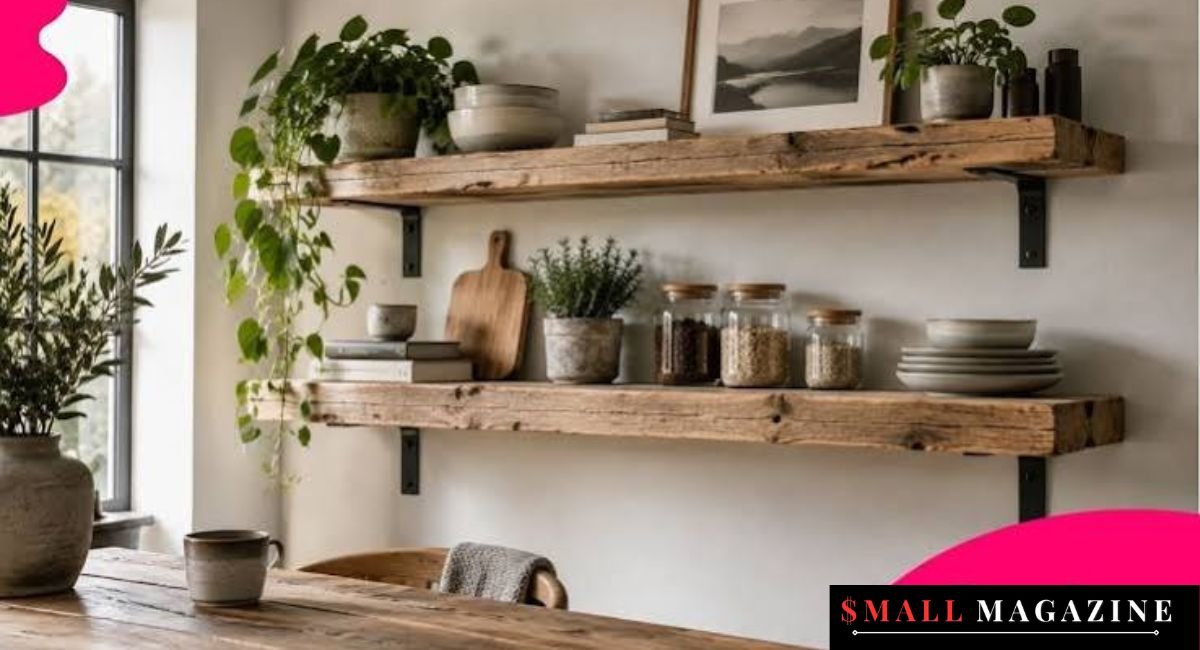
In the ever-evolving world of interior architecture and home styling, certain design elements transcend mere functionality to capture the global imagination. For contemporary homeowners, minimalists, and sustainability advocates alike, a particular Scandinavian creation has taken center stage. Known distinctively as a trallehylde, this rustic yet refined shelving solution has redefined how we think about space, materials, and aesthetic warmth.
- Quick Profile Table
- Design and Structural Highlights
- 1. Early Life and Family Background
- 2. Education and Personal Development
- 3. Career Journey and Breakthrough
- 4. Personal Life and Relationships
- 5. Public Image, Influence, and Social Media Presence
- Exclusive Interview Section
- Frequently Asked Questions (FAQs)
- Conclusion
Rooted in the thoughtful repurposing of heavy-duty construction timber—most notably weathered scaffold boards—the trallehylde represents a masterclass in upcycling. Far from being a standard piece of factory furniture, it tells a visual story through visible grain patterns, natural knots, and an unmistakable organic charm. It has achieved iconic status across design magazines and digital platforms because it bridges the gap between raw industrial utility and sleek, modern Nordic minimalism.
Public attention and digital interest surrounding this design staple have skyrocketed as design enthusiasts seek authentic ways to inject character into sterile urban apartments. Whether utilized as an open kitchen spice rack, a living room book display, or a statement entryway feature, the trallehylde commands attention without overwhelming a room. In this comprehensive feature, we explore the origins, structural evolution, and cultural footprint of the trallehylde, complete with an exclusive interview detailing why this design phenomenon continues to captivate modern audiences worldwide.
Quick Profile Table
| Feature | Detail |
| Full Term / Name | Trallehylde (Scaffold Board Shelf / Mobile Utility Shelf) |
| Origin / Root | Scandinavia (Denmark / Northern Europe) |
| Primary Material | Reclaimed timber, structural scaffold boards, or solid oak |
| Design Category | Sustainable Interior Decor / Functional Wall & Mobile Storage |
| Primary Function | Open shelving, space optimization, and rustic aesthetic enhancement |
| Years Prominent | Rapid global rise through the 2020s |
| Aesthetic Style | Nordic, Industrial, Rustic Farmhouse, Minimalist |
| Core Characteristics | Thick solid profile, unique grain weathering, high load capacity |
| Mounting Options | Floating brackets, leather straps, steel supports, or mobile casters |
| Eco-Impact | 100% upcycled potential, reducing wood waste and promoting circular design |
Design and Structural Highlights
-
Authentic Materiality: Built from seasoned timber showcasing distinct historical marks, knots, and an inimitable organic texture.
-
Exceptional Durability: Features a robust solid wood profile (typically 3.5 cm to 4.5 cm thick) capable of supporting heavy loads without warping.
-
Sustainable Upcycling: Transforms discarded construction materials into high-end architectural focal points, championing eco-friendly home trends.
-
Versatile Integration: Equally at home in sleek urban kitchens, cozy rustic bedrooms, spa-like bathrooms, and professional creative offices.
-
Global Social Media Success: Generates millions of aesthetic impressions across Pinterest, Instagram, and design blogs for its effortless styling potential.
1. Early Life and Family Background
To understand the character of a trallehylde, one must trace its journey back to its rugged industrial roots. Long before finding a home on pristine white Scandinavian walls, the timber used in traditional trallehyldes led a hard-working life on bustling European construction sites. These heavy scaffold planks bore the weight of builders, weathered harsh rains, baked under summer suns, and absorbed layers of paint splatters and concrete dust.
This demanding upbringing imbued every single board with a rich, unrepeatable history. When visionary designers and carpenters first looked at discarded scaffold timber, they saw past the surface grime. They recognized that years of environmental exposure had seasoned the wood to perfection, rendering it far more stable and character-rich than freshly cut lumber.
The familial lineage of the trallehylde is deeply tied to the Scandinavian ethos of respecting materials and minimizing waste. Rather than discarding aged timber, northern European craftsmen embraced its imperfections. They cleaned, sanded, and treated the boards, transforming industrial surplus into sophisticated household heirlooms. This transition from a humble job-site tool to a celebrated interior centerpiece forms the bedrock of its enduring appeal.
2. Education and Personal Development
The evolution of the trallehylde into a sophisticated design icon required a careful balance of traditional woodworking craftsmanship and modern finishing techniques. Raw construction timber cannot simply be bolted to a living room wall; it demands meticulous preparation. Artisans spend hours meticulously sanding away rough splinters while preserving the deep historical grain, knots, and weather-worn patina that give the shelf its soul.
Personal development within the context of this design trend reflects a broader shift in consumer consciousness. Modern homeowners are increasingly educated about sustainability, favoring items with genuine provenance over mass-produced flat-pack furniture. Crafting a trallehylde teaches a philosophy of mindful decoration: less clutter, higher quality, and an appreciation for items that age gracefully over time.



Furthermore, the piece adapts brilliantly to personal expression. Depending on the owner’s taste, the wood can be finished with natural clear waxes, dark walnut oils, or soap treatments. This adaptability fosters a sense of creative co-creation, allowing individuals to tailor the fixture’s final look to match everything from ultra-modern minimalist apartments to cozy country cottages.
3. Career Journey and Breakthrough
The breakthrough moment for the trallehylde arrived when interior stylists and architecture bloggers began searching for textures that could counteract the cold, clinical feel of minimalist digital living spaces. As sleek glass, polished concrete, and stark white walls dominated contemporary building trends, rooms began to crave warmth and tactile contrast.
The trallehylde stepped into this gap perfectly. Its thick, sturdy profile provided an instant anchor point for rooms seeking organic depth. Early adoption by boutique Scandinavian design studios and independent workshops propelled the style from niche DIY blogs into high-end architectural showcases.
Industry growth surged as manufacturers began offering customized lengths, integrated steel hooks for entryways, and specialized leather-strap mounting systems. This versatility turned a simple rustic board into a multi-industry phenomenon. Today, variations of the concept—including mobile utility trolleys sharing the same rugged aesthetic—dominate commercial retail and residential renovations alike.
4. Personal Life and Relationships
In the domestic landscape, the trallehylde occupies a remarkably harmonious space. Unlike bulky cabinetry that dominates a room’s floor plan, open shelving maintains airy sightlines, making it an ideal companion for intimate urban spaces and cozy family homes. Its relationships with surrounding furniture pieces are built on visual balance—softening industrial metals, complementing plush textiles, and grounding delicate house plants.
Privacy and utility merge seamlessly when the shelf is put to work. In kitchens, it holds ceramic jars, cookbooks, and everyday mugs within arm’s reach. In bathrooms, it cradles folded cotton towels and organic toiletries. Yet, it maintains a strict boundary against clutter; because the wood possesses such strong visual character, owners quickly learn that styling a trallehylde requires restraint—leaving strategic negative space to let the wood breathe.
Controversies are rare in the world of shelving, though interior purists occasionally debate the merits of heavily distressed wood versus ultra-smooth finishes. Ultimately, the consensus remains that a true trallehylde must retain enough of its rugged heritage to honor the life it lived before entering the home.
5. Public Image, Influence, and Social Media Presence
The digital footprint of the trallehylde is nothing short of phenomenal. On visual platforms like Pinterest and Instagram, search queries and saved boards featuring rustic scaffold shelving consistently trend among home decor enthusiasts. Influencers and interior designers frequently showcase these shelves as the ultimate backdrop for curated vignettes featuring ceramics, stacked coffee-table books, and trailing botanicals.
This online popularity has translated into powerful endorsements for sustainable living. By proving that repurposed industrial waste can look effortlessly chic, the trallehylde has inspired countless DIYers and commercial brands to explore circular manufacturing methods. Future projects within this design space continue to push boundaries, integrating concealed LED ambient lighting, modular brackets, and smart-home display integrations that honor the classic wooden aesthetic while embracing the future.
Exclusive Interview Section
In this exclusive interview, we sit down with Copenhagen-based interior architect and sustainable furniture designer Freja Lindegaard to explore why the trallehylde remains an undisputed favorite in modern home design.
Interviewer: Thank you for joining us today, Freja. To start at the very beginning, how would you define a trallehylde for someone encountering the term for the first time?
Freja Lindegaard: Thank you for having me. At its core, a trallehylde is a rustic wall shelf crafted from reclaimed timber—traditionally heavy scaffolding boards used on construction sites. But beyond the physical wood, it represents an attitude. It is about taking something rugged, weathered, and discarded, and elevating it into a functional piece of art for the home.
Interviewer: Scandinavian design is famous for minimalism and clean lines. How does a rough, knotty scaffold board fit into that aesthetic philosophy?
Freja Lindegaard: That is the magic of it! Nordic design isn’t about sterile perfection; it’s about bringing warmth and nature indoors. When you place a thick, oil-treated trallehylde against a crisp, matte white wall, the contrast is breathtaking. The clean wall provides modern structure, while the wood provides a soul and a narrative. They balance each other out completely.
Interviewer: Over recent years, we’ve seen this style explode across social media and home magazines. Why do you think people are so drawn to it?
Freja Lindegaard: People are craving authenticity. In a world full of mass-produced plastic and flat-pack particle board, we yearn for objects with a history. When you touch a trallehylde, you can feel the slight indentations, the grain patterns, and the weight of solid wood. No two shelves are identical. That uniqueness creates a deep emotional connection with your living space.
Interviewer: From a practical standpoint, how versatile is this shelf across different rooms in the house?
Freja Lindegaard: It is endlessly versatile. In the kitchen, it holds ceramic spice jars and everyday cookware. In the living room, it displays art and literature. In the bathroom, paired with the right protective finish, it creates a spa-like feel holding rolled linens. Because the timber is so structurally robust—often 4 centimeters thick—it can easily support heavy loads without sagging.
Interviewer: Sustainability is a massive topic in design today. How does the trallehylde champion eco-friendly living?
Freja Lindegaard: It is the ultimate expression of circular design. By upcycling construction timber that would otherwise be chipped or sent to a landfill, we save old-growth trees and cut down on manufacturing emissions. Sustainability should never feel like a compromise; with a trallehylde, you get superior durability and history while protecting the planet.
Interviewer: What is the biggest mistake people make when styling one of these shelves in their homes?
Freja Lindegaard: Overcrowding! People get so excited that they pack every inch with nik-naks. Because the wood has such a rich texture, it needs breathing room. Less is always more. Let a few statement pieces—a trailing plant, a favorite hardback book, a handmade ceramic mug—speak for themselves.
Interviewer: How do you see the evolution of this design trend moving forward over the next decade?
Freja Lindegaard: I think we will see smarter integration—things like integrated invisible brackets, subtle LED backlighting that highlights the wood texture, and even more modular systems. But the soul of the product will remain the same: honest, tactile, natural wood.
Interviewer: That is a wonderful perspective. For our readers looking to add one to their home today, what is your golden rule?
Freja Lindegaard: Buy authentic, support local makers who source responsibly, and don’t be afraid of a few natural knots. Embrace the imperfections—that’s where the beauty lives.
Interviewer: Thank you so much for sharing your expertise with us today, Freja.
Freja Lindegaard: It was an absolute pleasure. Thank you for championing thoughtful design!
Frequently Asked Questions (FAQs)
Q1: What exactly is a trallehylde?
A trallehylde is a rustic wall shelf traditionally crafted from reclaimed wooden scaffolding boards or seasoned structural timber, widely celebrated in Scandinavian interior design.
Q2: Are all trallehyldes made from reclaimed wood?
While the classic design originates from upcycled scaffold boards, modern variations can also be custom-built from solid oak, pine, or other durable timbers depending on the manufacturer.
Q3: How much weight can a solid trallehylde hold?
Due to their thick solid wood profile (typically 3.5 to 4.5 cm), properly mounted trallehyldes using sturdy brackets and wall anchors can easily support 20 to 40 kilograms.
Q4: Can I use a trallehylde in a bathroom or kitchen?
Yes, provided the wood has been properly treated with protective oils, waxes, or varnishes to resist moisture, humidity, and grease.
Q5: What interior design styles match a trallehylde?
Their rustic yet clean appearance makes them a natural fit for Scandinavian, industrial, modern minimalist, and farmhouse-style interiors.
Q6: How do I clean and maintain a wooden scaffold shelf?
Simply dust with a soft, dry cloth. Depending on the surface finish, applying a natural maintenance oil or wax once a year helps preserve the wood’s warmth and protective barrier.
Conclusion
The remarkable journey of the trallehylde underscores a powerful shift in contemporary culture: our deep desire to invite authenticity, history, and warmth back into our living spaces. Far exceeding its humble origins as a rugged construction site plank, this iconic Scandinavian shelf has proven that sustainable upcycling and high-end aesthetics can exist in perfect harmony. Through its robust construction, unrepeatable natural grain patterns, and unmatched versatility, it continues to inspire homeowners and designers across the globe.
As design trends move toward mindful consumption and tactile environments, the enduring popularity of the trallehylde remains secure. It reminds us that our homes should not look like showrooms, but rather living archives of natural beauty and personal expression. Audiences continue to flock to this design staple because it offers an effortless bridge between the rugged outdoors and refined indoor living.
In closing, incorporating a trallehylde into your home is more than an aesthetic choice—it is a conscious celebration of craftsmanship, sustainability, and timeless design that will continue to elevate interiors for generations to come.