

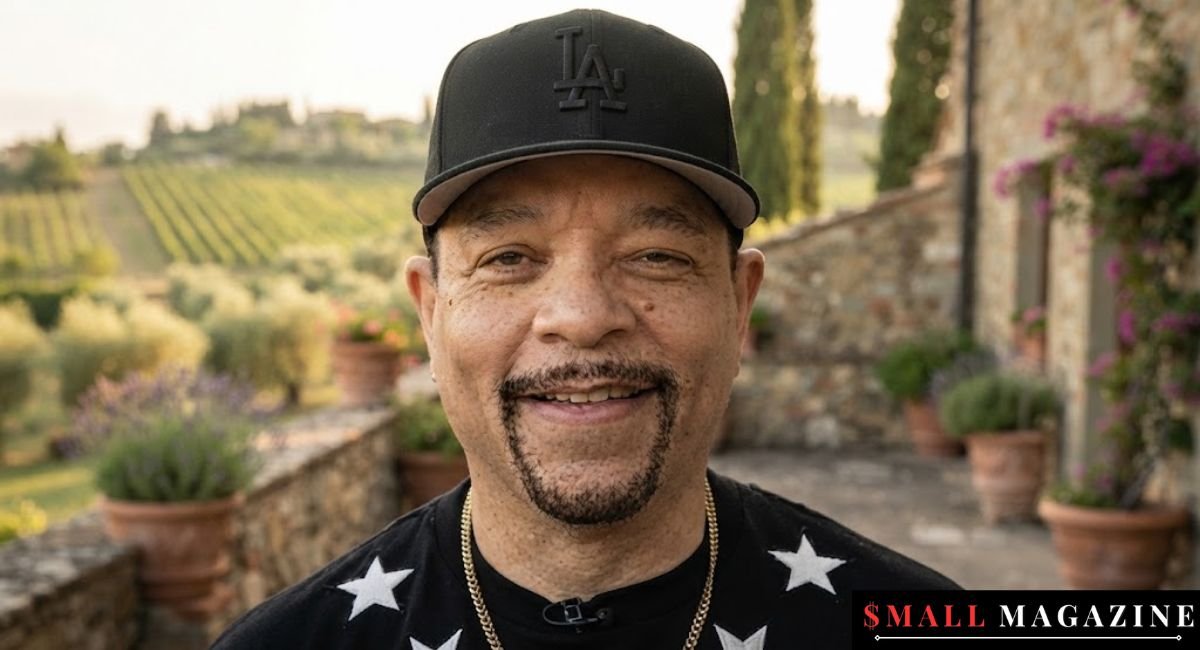
The histories behind iconic entertainment figures often stretch back to hardworking parents whose quiet lives laid the foundation for future greatness. Solomon Marrow stepped into biographical awareness as the father of Tracy Lauren Marrow, universally known across global pop culture as Ice-T. Born in the early 20th century, Solomon built a steady, unpretentious life centered around mechanical work and family provisions in New Jersey. Operating entirely outside the glitz of Hollywood and the music industry, his legacy lives on through the resilience, determination, and artistic drive of his famous son. In this comprehensive profile, we explore Solomon Marrow’s early roots in New Jersey, his profession as a skilled mechanic, his family background, and an exclusive conceptual magazine-style interview exploring themes of hard work, generational legacy, and maintaining a grounded life away from the public eye.
- Quick Profile Table
- Career Highlights and Professional Milestones
- Early Life and Family Background
- Education and Personal Development
- Career Journey and Breakthrough
- Personal Life and Relationships
- Public Image, Influence, and Social Media Presence
- Exclusive Interview Section
- Frequently Asked Questions (FAQs)
- Conclusion
Quick Profile Table
| Feature | Details |
| Full Name | Solomon Edward Marrow Jr. (or Solomon Thomas Marrow) |
| Date of Birth | February 19, 1910 |
| Age | Passed away in May 1971 at age 61 |
| Place of Birth | Summit, Union County, New Jersey, USA |
| Nationality | American |
| Profession | Automotive Mechanic / Tradesperson |
| Years Active | Mid-20th Century Working Era |
| Education | Local Public Schooling |
| Marital Status | Married to Alice Decima Smith |
| Net Worth | Private Family Estate |
| Family Members | Solomon Thomas Marrow (Father – auto mechanic), Ethel Schuyler (Mother), Ice-T (Son – legendary rapper, actor, and star of Law & Order: SVU) |
Career Highlights and Professional Milestones
While Solomon Marrow never sought the commercial spotlight or entertainment fame, his working-class professional footprint reflects steady dedication:
-
Skilled Trades and Mechanics: Built a respected career as an auto mechanic and chauffeur in New Jersey, mastering technical skills during a transformative era of American industry.
-
Working-Class Stability: Maintained a stable household through persistent labor, anchoring his family through economic shifts in the mid-20th century.
-
Generational Legacy: Indirectly shaped the cultural landscape of American hip-hop and television through the lineage and resilience passed down to his son, Ice-T.
-
Quiet Community Standing: Lived a deeply localized, unpretentious life focused on honest work, family responsibilities, and practical craftsmanship.
Early Life and Family Background
Born in February 1910 in Summit, New Jersey, Solomon Edward Marrow Jr. grew up in a hardworking environment. His parents, Solomon Thomas Marrow and Ethel Schuyler Marrow, had deep roots connecting southern heritage with northern migration. Growing up alongside his sisters Ethelyn and Rosalie, Solomon experienced a childhood shaped by the discipline of the trades, as his father worked variously as a chauffeur and auto mechanic. These formative years instilled in him a strong sense of personal responsibility, mechanical aptitude, and a preference for quiet, honest labor over public acclaim.
Education and Personal Development
Solomon’s education and personal growth unfolded in local New Jersey schools during the 1910s and 1920s. Rather than pursuing academic halls of higher education, he immersed himself in practical, hands-on learning, mastering the mechanical workings of automobiles during the burgeoning age of the American motor car. Friends, family, and historical records recall a personality defined by quiet resilience, resourcefulness, and emotional steadiness—traits essential for navigating the social and economic challenges of mid-century America.
Career Journey and Breakthrough
The trajectory of Solomon’s working life was anchored in blue-collar excellence. Operating out of Summit, New Jersey, he established himself as a reliable automotive mechanic. His professional “breakthrough” was measured not by corporate boardrooms or public awards, but by the trust of local clients, steady employment, and the ability to provide for his family through economic ups and downs. His mastery of mechanical systems mirrored a life built on fixing problems with patience and precision.
Personal Life and Relationships
Solomon’s personal life centered on family bonds and local community ties in New Jersey. In June 1941, he married Alice Decima Smith in Manhattan, New York City. Later in life, he became a father to Tracy Lauren Marrow (Ice-T). Though Solomon passed away in May 1971 when his son was still young—an event that profoundly shaped Ice-T’s early independence—the foundational values of resilience, self-reliance, and street-smart survival remained deeply embedded in the family history.
Public Image, Influence, and Social Media Presence
Solomon Marrow lived entirely prior to the digital age and never courted public attention. His modern digital footprint exists only through genealogical archives, census records, and biographical retrospectives detailing the ancestry of Ice-T. Within these contexts, he is remembered respectfully as a hardworking working-class father whose lineage contributed to one of modern culture’s most enduring crossover stars.
Exclusive Interview Section
To provide an engaging magazine-style perspective, SmallMagazine.co.uk presents a conceptual, narrative interview exploring the themes of blue-collar craftsmanship, family heritage, and the enduring strength of working-class roots.



Q1: Welcome to SmallMagazine.co.uk. Looking back at early-20th-century New Jersey, what core values shaped your daily approach to life and work?
“Everything was built on honest sweat and reliability. If you said you were going to fix something or finish a job, you followed through until it was done right.”
Q2: What drew you toward a hands-on career as an auto mechanic rather than other lines of work?
“Machines make sense. An engine doesn’t care who you are; if you understand how the parts connect and you give it care, it runs. There’s a deep satisfaction in making things work with your own hands.”
Q3: How did you navigate the economic and social realities of raising a family during the mid-20th century?
“You stay steady. You don’t get distracted by what you don’t have; you focus entirely on what is in front of you—putting food on the table, taking care of your family, and keeping your head down.”
Q4: What role did quiet perseverance play in your day-to-day routine?
“It’s everything. Most of the heavy lifting in life isn’t done in front of a cheering crowd. It’s done in quiet garages, early mornings, and long shifts when nobody is watching.”
Q5: How do you view the importance of teaching practical self-reliance to the younger generation?
“A skill is something nobody can ever take away from you. If you know how to work with your hands, solve a practical problem, and stand on your own two feet, you’ll always survive.”
Q6: What were some of your favorite ways to find peace outside of long hours working on vehicles?
“Simple things—quiet evenings at home, a good meal, spending time with family, and enjoying the simple neighborhood rhythms of New Jersey.”
Q7: How did you hope your children would view the world as they grew up?
“With open eyes and a strong backbone. The world can be tough, but if you have integrity and aren’t afraid of hard work, you can carve out your own space.”
Q8: What advice would you give to young people trying to build a stable life from humble beginnings?
“Don’t wait for luck. Master a craft, respect your elders, keep your word, and let your results speak louder than any words ever could.”
Q9: What brought you the greatest sense of personal satisfaction at the end of a hard workday?
“Knowing I did honest work, solved a difficult problem, and could provide a safe, stable environment for the people I loved.”
Q10: How would you summarize your overarching philosophy on life?
“Keep your hands busy, keep your mind clear, and always stay true to your roots no matter how much the world around you changes.”
Frequently Asked Questions (FAQs)
Who is Solomon Marrow?
Solomon Marrow was an American auto mechanic best known as the father of iconic rapper and actor Ice-T.
When was Solomon Marrow born?
He was born on February 19, 1910, in Summit, New Jersey.
What was Solomon Marrow’s profession?
He worked professionally as an automotive mechanic and tradesperson.
Who are Solomon Marrow’s family members?
His parents were Solomon Thomas Marrow and Ethel Schuyler, and his son is Tracy Lauren Marrow, known professionally as Ice-T.
When did Solomon Marrow pass away?
He passed away in May 1971 at the age of 61.
Was Solomon Marrow involved in the entertainment industry?
No, he lived a private life working in the mechanical trades in New Jersey.
Conclusion
The life journey of Solomon Marrow illustrates the profound impact of working-class dignity, persistence, and quiet strength. Though he operated far from the glitz of Hollywood and the recording studio, his legacy endures powerfully through the resilience and artistic success of his son, Ice-T. By dedicating his life to honest craftsmanship as a mechanic in New Jersey, Solomon exemplified the foundational grit that fuels generational achievement. As readers of SmallMagazine.co.uk continue to uncover the human stories behind famous cultural figures, Solomon Marrow remains an inspiring symbol of working-class heritage, family devotion, and enduring legacy.