

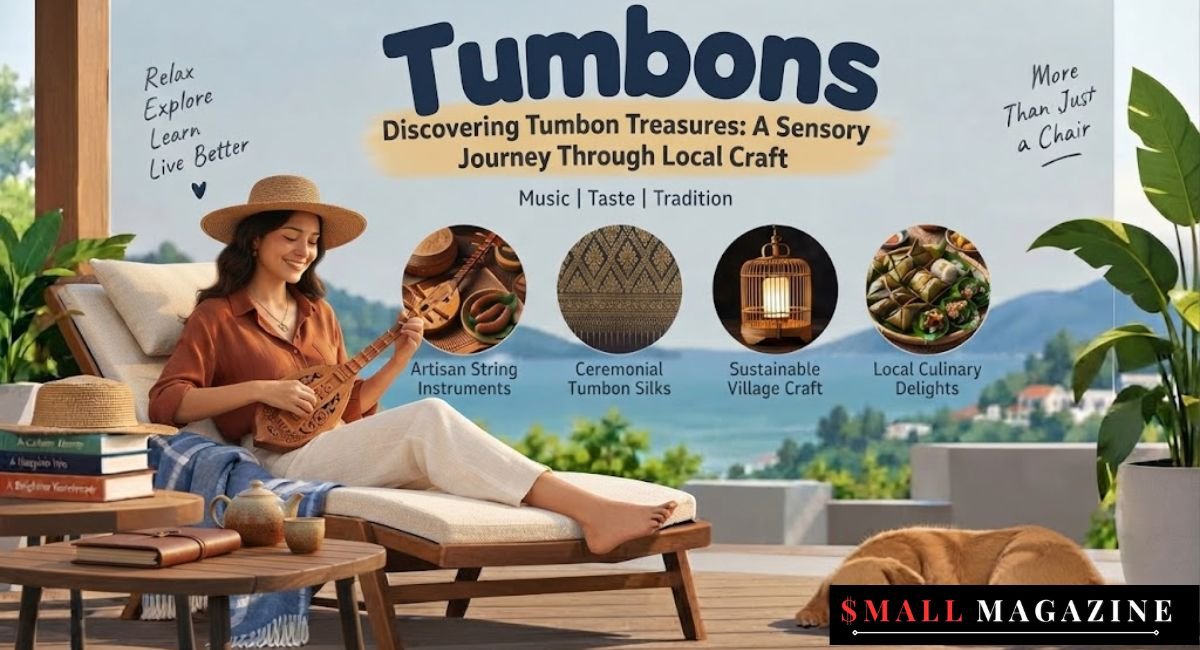
When diving deep into the administrative landscape, cultural framework, and regional organization of Southeast Asia, certain local terms carry immense weight and meaning. For anyone exploring Thailand beyond its bustling metropolitan skylines, understanding the foundational structure of regional management is essential. At the heart of this decentralized framework lies the concept of the tumbon (often spelled tambon)—a vital sub-district unit that acts as the bridge between rural communities and national governance.
- Quick Profile Table
- Career and Administrative Highlights
- 1. Early Life and Family Background
- 2. Education and Personal Development
- 3. Career Journey and Breakthrough
- 4. Personal Life and Relationships
- 5. Public Image, Influence, and Social Media Presence
- Exclusive Interview Section
- Frequently Asked Questions (FAQs)
- Conclusion
Operating as the third tier within Thailand’s administrative hierarchy, tumbons sit directly below districts (amphoe) and above individual villages (muban). Far from being mere lines drawn on a bureaucratic map, these sub-districts represent living communities where local traditions, agricultural initiatives, and grassroots democracy thrive. They dictate how resources are distributed, how local infrastructure is maintained, and how cultural heritage is carefully preserved across generations.
Public attention and academic curiosity surrounding tumbons have grown steadily as travelers, researchers, and global onlookers seek authentic cultural immersion away from commercial tourism hubs. By looking at how these sub-districts operate, we gain a rare window into the pulse of rural life, community leadership, and sustainable local development. In this exclusive feature and in-depth interview guide, we unpack everything you need to know about tumbons, examining their structural importance, cultural footprint, and evolving role in modern society.
Quick Profile Table
| Feature | Detail |
| Full Name / Term | Tumbon (Tambon) |
| Type of Entity | Sub-district / Administrative Unit |
| Geographic Region | Kingdom of Thailand |
| Administrative Level | Third-level (Below District, Above Village) |
| Governing Body | Tambon Administrative Organization (TAO) |
| Total Count | Over 7,200 active sub-districts nationwide |
| Primary Functions | Local governance, infrastructure, public health, cultural programs |
| Cultural Significance | Hub for regional festivals, traditional handicrafts, and local markets |
| Economic Focus | Sustainable agriculture, eco-tourism, and community enterprises |
| Associated Leadership | Kamnan (Sub-district head) and elected TAO representatives |
Career and Administrative Highlights
-
Structural Efficiency: Manages over 75,000 nested villages nationwide, ensuring targeted resource distribution and local accountability.
-
Grassroots Development: Spearheads community-led projects involving clean water access, rural road maintenance, and localized irrigation networks.
-
Cultural Preservation: Acts as the primary organizer for regional temple fairs, traditional celebrations, and indigenous craft workshops.
-
Economic Innovation: Champions modern sustainability initiatives, including organic farming cooperatives and niche community-based tourism.
-
Decentralized Leadership: Empowers local voices through elected administrative boards, fostering strong civic participation and regional pride.
1. Early Life and Family Background
To truly understand a tumbon, one must look at how these administrative clusters are formed and nurtured from the ground up. Geographically and socially, a tumbon begins with a cluster of closely knit villages—known locally as muban. Historically, these settlements grew naturally along riverbanks, fertile agricultural plains, and ancient trade routes where families relied heavily on cooperative farming and shared community labor.
The upbringing within a tumbon is deeply rooted in communal interdependence. Generations of families live in close proximity, sharing agricultural land, festive duties, and daily responsibilities. Elders play an influential role in passing down oral histories, traditional crafting techniques, and localized wisdom regarding weather patterns and crop management. This familial closeness creates an environment where every resident shares a stake in the collective well-being of the sub-district.
The historical foundation of the tumbon system dates back centuries, evolving from loose familial chiefdoms into a structured, recognized component of Thai civil administration. Yet, beneath the formal government paperwork, the psychological core of the tumbon remains deeply familial. It functions like an extended family tree spread across several neighborhoods, where milestones, weddings, and harvest seasons are celebrated collectively, forging an unbreakable bond among its inhabitants.
2. Education and Personal Development
Education within a tumbon extends far beyond the traditional classroom walls. While local primary and secondary schools serve as academic anchors for young residents, the broader environment acts as an incubator for practical life skills, ethical grounding, and personal resilience. Schools in these sub-districts frequently collaborate with local agricultural centers and community leaders to provide hands-on training that honors regional heritage.
Personal development in these areas is shaped by a strong sense of responsibility toward the community. Young individuals grow up learning the value of hard work, patience, and mutual respect through involvement in seasonal harvests, temple maintenance, and local market operations. Talents in traditional arts, culinary practices, weaving, and woodcraft are nurtured organically from a young age through mentorship from village elders.

Furthermore, modern tumbons have successfully integrated digital literacy and vocational training into their educational ecosystems. By balancing traditional craftsmanship with contemporary technological access, residents develop a well-rounded skill set. This dynamic personal growth prepares community members to navigate a rapidly modernizing global economy while staying firmly grounded in their local roots and cultural identity.
3. Career Journey and Breakthrough
The operational journey of a tumbon has experienced a remarkable evolution, marked by significant structural milestones and modern administrative breakthroughs. For decades, sub-districts operated primarily as basic conduits for top-down government orders. However, major legislative shifts toward decentralization in the late 20th century transformed tumbons into autonomous entities capable of managing their own budgets and prioritizing regional development projects.
This breakthrough empowered local leaders—such as the Kamnan and the Tambon Administrative Organization (TAO) board members—to spearhead innovative regional growth. Instead of waiting for distant national ministries to approve small-scale repairs or community programs, sub-districts began designing tailored solutions for local irrigation, waste management, and educational support.
In recent years, the economic breakthrough of many tumbons has centered around sustainable enterprise. By leveraging unique regional products—such as specialized textiles, organic specialty crops, and artisanal crafts—sub-districts have successfully plugged into national and international markets. This shift from subsistence farming to organized community commerce has elevated living standards and turned rural sub-districts into shining examples of grassroots economic resilience.
4. Personal Life and Relationships
The rhythm of personal life within a tumbon is defined by harmony, unhurried community interaction, and deeply ingrained social fabrics. Relationships are built on trust and mutual support, forged through decades of shared neighborhood living. Unlike the isolated anonymity common in major global metropolises, daily life in a sub-district is transparent and deeply interconnected, where neighbors readily look out for one another.
Social gatherings center around community centers, local markets, and Buddhist temples that serve as spiritual and social epicenters. Festivals, weddings, and religious ceremonies bring the entire sub-district together, reinforcing social cohesion and personal friendships. Privacy exists, but it is beautifully balanced with a welcoming community spirit that ensures no individual feels alienated or unsupported during times of hardship.
Navigating modern pressures while maintaining traditional values forms a central theme in contemporary tumbon life. While younger generations may explore external careers or higher education in larger cities, they frequently maintain deep emotional and familial ties to their home sub-district, returning regularly to participate in community governance and cultural celebrations.
5. Public Image, Influence, and Social Media Presence
Today, the public image of the tumbon extends far beyond local administrative records, capturing the imagination of global travelers, anthropologists, and digital creators. With the rise of digital media and niche travel vlogging, picturesque sub-districts showcasing serene landscapes, authentic culinary traditions, and eco-tourism initiatives have garnered substantial online popularity.
Sub-districts increasingly utilize digital platforms and online marketplaces to promote their local handicrafts, agricultural goods, and homestay tourism programs to a worldwide audience. This digital presence has transformed rural sub-districts into sought-after destinations for travelers seeking authentic cultural engagement rather than mass-market resort experiences.
The growing influence of tumbon-level governance demonstrates to the world how decentralized administrative models can successfully champion environmental sustainability, cultural preservation, and economic self-reliance. As global interest in slow living, heritage craftsmanship, and community-based tourism surges, the cultural footprint of the tumbon continues to expand inspiringly across digital and physical borders.
Exclusive Interview Section
In this exclusive interview, we sit down with veteran regional administrator and community developer Kraisorn Boonma to discuss the inner workings, cultural heartbeat, and future evolution of Thailand’s tumbons.
Interviewer: Thank you for joining us today, Kraisorn. To start things off, how would you define the core essence of a tumbon for readers who might only know Thailand through its major cities like Bangkok or Chiang Mai?
Kraisorn Boonma: Thank you for having me. At its core, a tumbon is the beating heart of Thai community life. While tourists see the bright lights of Bangkok or the mountains of Chiang Mai, the everyday reality and foundational culture of our country live in these 7,200-plus sub-districts. It is a cluster of villages working together, sharing resources, and managing their own destiny at a human scale.
Interviewer: Many people view local governance as dry paperwork. How does a tumbon manage to keep its culture and community spirit alive amidst modern administrative duties?
Kraisorn Boonma: Paperwork is only the outer shell. Inside, a tumbon is driven by human relationships. We organize local festivals, maintain our village temples, and pass down craft traditions not because a government manual tells us to, but because it is who we are. The temple and the local market are our community living rooms.
Interviewer: Over the last decade, we have seen major shifts toward decentralization. How has the Tambon Administrative Organization (TAO) changed the day-to-day reality for local residents?
Kraisorn Boonma: It changed everything. In the past, if a local bridge broke or an irrigation canal needed dredging, we had to wait for officials hours away in the provincial capital to notice. Today, through the TAO, our elected local leaders make those decisions directly. We know where the water flows, where the children walk to school, and what our people need immediately.
Interviewer: Economic sustainability is a major topic worldwide right now. How are modern tumbons adapting to support local businesses and younger generations?
Kraisorn Boonma: We are blending our heritage with smart innovation. Many sub-districts have shifted toward organic farming cooperatives and niche eco-tourism. Instead of losing our youth to big cities, we are showing them that they can build profitable, modern enterprises right here by marketing our unique regional textiles, foods, and crafts online to global buyers.
Interviewer: Tourism is a massive economic driver in Thailand. How do tumbons balance welcoming international visitors with preserving their authentic local lifestyle?
Kraisorn Boonma: Balance is the keyword. We do not want massive concrete resorts that destroy our environment. Instead, we champion community-based tourism—homestays, guided nature walks, and cooking workshops. Visitors stay with local families, eat what we eat, and respect our customs. It protects our heritage while providing direct income to village households.
Interviewer: What would you say is the biggest misconception people have about rural sub-districts and local administrative units?
Kraisorn Boonma: The biggest misconception is that rural areas are stagnant or backward. People think nothing changes here. In reality, modern tumbons are hubs of innovation, trial, and adaptation. We are experimenting with sustainable agriculture, renewable energy, and digital commerce faster than many urban centers give us credit for.
Interviewer: Looking ahead over the next ten years, what is your primary vision for the future of tumbons in Thailand?
Kraisorn Boonma: My vision is complete self-reliance combined with digital connectivity. I want every sub-district to harness green technology, preserve its unique cultural arts, and give young people world-class digital tools without losing the warmth and safety of our traditional village life.
Interviewer: That is a powerful vision. For our readers who plan to visit or study Thailand soon, what is your best piece of advice for experiencing a true tumbon?
Kraisorn Boonma: Slow down. Do not rush through on a tour bus. Rent a bicycle, visit a local morning market, talk to the elders resting by the temple, and taste home-cooked regional food. When you slow down, the true spirit of the tumbon opens up to you.
Interviewer: Thank you so much for sharing your wisdom and passion with us today, Kraisorn.
Kraisorn Boonma: It was an absolute pleasure. Thank you for shining a light on the real foundation of our country.
Frequently Asked Questions (FAQs)
Q1: What exactly is a tumbon?
A tumbon (often spelled tambon) is a sub-district administrative unit in Thailand. It represents the third level of local government, sitting directly beneath a district (amphoe) and above individual villages (muban).
Q2: How many tumbons are there in Thailand?
There are over 7,200 active tumbons spread across Thailand’s 75 provinces, excluding the special administrative area of Bangkok.
Q3: Who governs a tumbon?
Each tumbon is managed by a Tambon Administrative Organization (TAO), which consists of elected village representatives, a sub-district head (Kamnan), and a council president responsible for local budgets and community projects.
Q4: What role do tumbons play in local tourism?
Tumbons offer travelers an authentic glimpse into rural Thai life through community-based tourism, local markets, serene temples, and traditional craft workshops far away from crowded commercial hubs.
Q5: Are tumbons economically self-sufficient?
Many modern tumbons have successfully developed localized economies through sustainable organic farming, cooperative handicraft production, and eco-tourism initiatives that generate direct revenue for residents.
Q6: What is the difference between a tumbon and a village?
A village (muban) is the smallest official residential cluster, whereas a tumbon is a larger sub-district administrative entity that typically encompasses several villages grouped together under one local authority.
Conclusion
The exploration of the tumbon reveals a fascinating intersection of structured civil administration, rich cultural heritage, and resilient grassroots community spirit. Far exceeding their formal definition as mere sub-districts on a map, these regional units serve as the beating heart of local governance and traditional life in Thailand. From managing essential rural infrastructure and public health to championing sustainable eco-tourism and preserving indigenous crafts, tumbons demonstrate the incredible power of decentralized, community-led development.
Throughout their historical evolution, sub-districts have continuously adapted to meet the demands of a modernizing world without ever losing their core identity. By successfully blending traditional familial values with digital connectivity and economic innovation, they provide a powerful blueprint for sustainable rural longevity. Audiences and researchers remain deeply captivated by tumbons because they offer something increasingly rare in modern society: a harmonious balance between unhurried community connection, environmental stewardship, and active democratic participation.
As the world continues to champion slow living, cultural authenticity, and local empowerment, the enduring influence of the tumbon shines brighter than ever. It stands as a timeless reminder that true societal strength always grows from the ground up.