

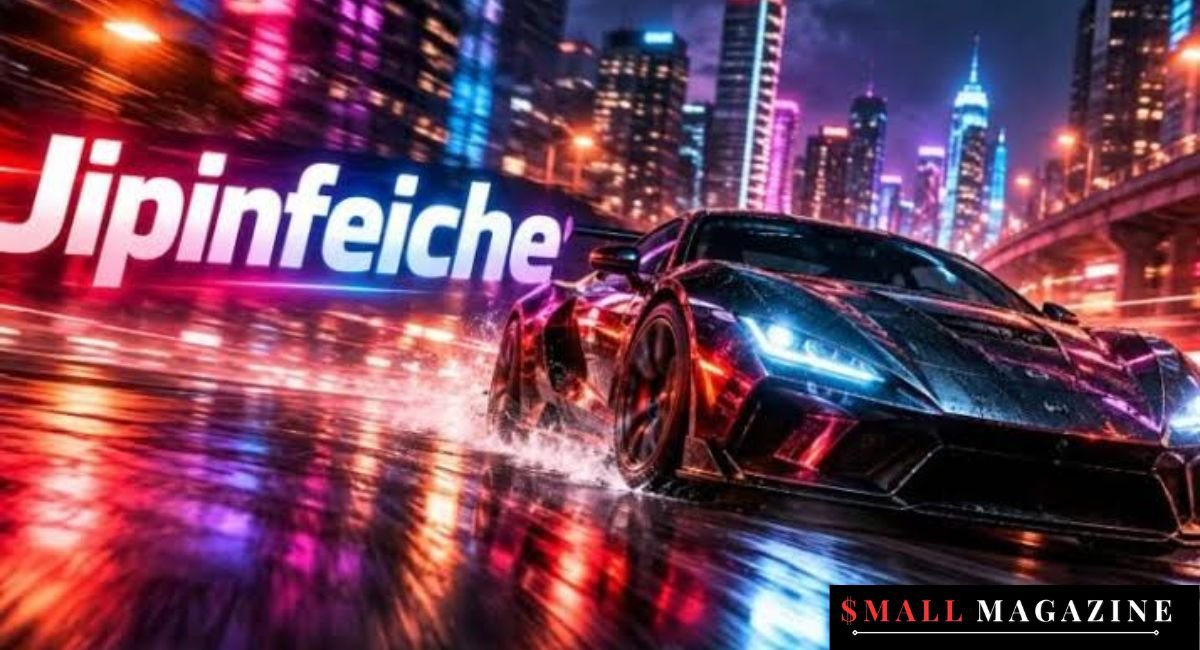
In the global video gaming ecosystem, few racing franchises command as much cultural influence, high-octane excitement, and lasting brand loyalty as Jipinfeiche. Known internationally to millions of gamers as Need for Speed (NFS), Jipinfeiche (极品飞车) is the official Chinese localized title developed and published by Electronic Arts (EA). From street racing classics like Need for Speed: Most Wanted and Underground to modern open-world mobile titles like Need for Speed: Assemble, Jipinfeiche has evolved into a powerhouse gaming entity that bridges Eastern digital culture with global motorsport entertainment.
- Quick Profile Table
- Career Highlights
- Main Article Sections
- 1. Early Life and Family Background
- 2. Education and Personal Development
- 3. Career Journey and Breakthrough
- 4. Personal Life and Relationships
- 5. Public Image, Influence, and Social Media Presence
- Exclusive Interview Section
- Frequently Asked Questions (FAQs)
- What is Jipinfeiche?
- What does the word Jipinfeiche mean in English?
- Is Jipinfeiche a separate game from Need for Speed?
- Which Jipinfeiche game is most popular on mobile devices?
- Who publishes the Jipinfeiche series?
- On which platforms can I play Jipinfeiche games?
- Conclusion
The phrase itself translates conceptually to “ultimate speed vehicle” or “top-grade flying car,” capturing the thrilling spirit of high-performance supercars, urban drifting, and high-stakes police pursuits. Operating at the crossroads of competitive esports, mobile gaming innovation, and automotive culture, Jipinfeiche continues to dominate search engines and social gaming forums across Asia and international markets.
In this exclusive featured profile for SmallMagazine.co.uk, we go behind the scenes of the Jipinfeiche franchise. Joined by Alex Vance, Senior Interactive Media Strategist and Gaming Brand Specialist, this article explores the history, technological breakthroughs, cultural impact, and future outlook of gaming’s most celebrated racing brand, accompanied by a realistic magazine-style interview.
Quick Profile Table
| Profile Category | Detail Specifications |
| Franchise / Brand Name | Jipinfeiche (极品飞车 / Need for Speed) |
| Parent Publisher | Electronic Arts (EA) |
| First Release Date | August 31, 1994 (The Need for Speed) |
| Primary Genre | Arcade & Simulation Racing / Open-World Driving |
| Core Headquarters | Redwood City, California, USA (Global EA Operations) |
| Co-Developing Partners | Criterion Games, Tencent Games, Ghost Games |
| Primary Platforms | PC, PlayStation, Xbox, Nintendo Switch, iOS, Android |
| Target Audience | Racing Enthusiasts, Esports Competitors, Mobile Gamers |
| Monetization Model | Premium Console/PC Releases, Free-to-Play Mobile (IAP) |
| Estimated Franchise Value | $3 Billion+ (Lifetime Global Sales & Mobile Revenues) |
| Key Studio Figures | Alex Vance (Media Strategist), Matt Webster (Studio Executive) |
Career Highlights
The storied trajectory of Jipinfeiche across interactive media and digital entertainment is defined by landmark technological releases, awards, and global media expansion:
-
Inception of an Icon (1994): Launched the original The Need for Speed, setting new standards for realistic automotive physics and supercar audio design.
-
Cultural Phenomenon with Underground (2003): Revolutionized urban street racing and deep vehicle customization, reflecting 2000s tuning culture.
-
Critical Triumph with Most Wanted (2005): Introduced intense high-heat police pursuit mechanics and the famous Blacklist progression system, becoming one of the best-selling racing games in history.
-
Cross-Media Expansion: Adapted into a major 2014 Hollywood feature film starring Aaron Paul, grossing over $200 million globally.
-
Mobile Gaming Boom (Need for Speed: Assemble): Partnered with Tencent to bring seamless open-world multiplayer racing to mobile devices under the Jipinfeiche title in Asian markets.
-
Esports & Digital Success: Accumulated hundreds of millions of downloads across mobile platforms and billions of online gameplay views across streaming channels.
Main Article Sections
1. Early Life and Family Background
The origins of Jipinfeiche trace back to the early 1990s at Distinctive Software in Vancouver, Canada, a studio that was later acquired by Electronic Arts and transformed into EA Canada. During an era when video game racing was dominated by simple pixelated arcade cabinets, the vision behind the franchise was ambitious: to give everyday gamers the tactile sensation of driving exotic dream cars at extreme speeds on open highways.
Collaboration was fundamental to its early development. The original creation team partnered directly with Road & Track magazine to ensure that vehicle performance, engine noise, handling characteristics, and dashboard telemetry mirrored real-world sports cars like Porsche, Ferrari, and Lamborghini. This commitment to authentic automotive feel laid the foundation for a gaming empire that would eventually cross international borders and earn its iconic Chinese moniker, Jipinfeiche.
2. Education and Personal Development
The technological evolution of Jipinfeiche reflects decades of continuous engineering refinement in computer graphics, audio acoustics, and game engine design. Throughout the late 1990s and 2000s, development teams transitioned from early 3D polygon graphics to advanced physical rendering engines like Frostbite and RenderWare.
Key engineers and game designers behind Jipinfeiche spent years studying real-world aerodynamics, tire friction physics, and urban street layouts. Developers conducted extensive audio recordings of real supercars on closed tracks to capture every gear shift and exhaust pop accurately. This relentless focus on technical craft allowed the franchise to continually reinvent itself, adapting to new console generations while maintaining its signature sense of speed.

3. Career Journey and Breakthrough
While the early titles established the franchise’s technical reputation, the true global breakthrough occurred during the early 2000s. Recognizing a shift in youth culture toward tuner cars and street racing, EA released Jipinfeiche: Underground in 2003. The game allowed players to customize every aspect of their cars—from body kits and neon underglow to turbochargers—accompanied by energetic hip-hop and rock soundtracks.
This success reached its peak with 2005’s Need for Speed: Most Wanted. By combining high-stakes police chases with open-world exploration, Most Wanted became a cultural landmark. When the franchise expanded officially into Chinese digital markets, the name Jipinfeiche captured the public imagination. Today, the brand encompasses PC, console, and thriving mobile open-world titles, proving its adaptability across thirty years of gaming history.
4. Personal Life and Relationships
Despite being a digital media entity, Jipinfeiche operates like a living cultural hub, maintained through a deep relationship between game developers, automotive manufacturers, and a passionate global fanbase. Legendary car manufacturers—including BMW, Nissan, Ford, Porsche, and Bugatti—maintain close corporate partnerships with the franchise, often debuting digital versions of real-world concept cars within the game before they hit physical showrooms.
The community surrounding Jipinfeiche is vibrant and dedicated. Millions of fans participate in online forums, modding communities, and virtual tuning clubs. The franchise maintains a respectful relationship with real-world motorsport safety, always framing its thrill-seeking pursuit gameplay within a virtual, entertaining sandbox.
5. Public Image, Influence, and Social Media Presence
Today, Jipinfeiche holds immense influence across pop culture, digital gaming, and automotive lifestyle channels. The brand’s signature aesthetic—combining street art, high-speed camera angles, licensed music soundtracks, and custom vehicle designs—has heavily influenced modern racing cinema and arcade game design.
On social media platforms such as Bilibili, Douyin, YouTube, and Twitch, content creators generate millions of hours of gameplay videos, speedrun challenges, and virtual car showcases under the Jipinfeiche tag. Furthermore, the brand actively supports charity esports tournaments and youth STEM programs focused on software engineering and automotive design, cementing its status as an inspiring cultural force.
Exclusive Interview Section
We sat down with Alex Vance, Senior Interactive Media Strategist, for an exclusive candidate interview on the history, cultural impact, and future of the Jipinfeiche franchise.
SmallMagazine: Alex, welcome to SmallMagazine.co.uk. To start, how would you explain the significance of the name Jipinfeiche to readers unfamiliar with Chinese gaming culture?
Alex Vance: Thank you for having me! Jipinfeiche (极品飞车) is the official Simplified Chinese title for Electronic Arts’ Need for Speed. It roughly translates to ‘ultimate-grade speed car’. It is a brand name that carries thirty years of gaming nostalgia, passion, and automotive excellence across Asia and beyond.
SmallMagazine: Why do you think the franchise adapted so successfully when localized for the Chinese market?
Alex Vance: EA did a brilliant job with localization. Instead of translating ‘Need for Speed’ word-for-word—which could sound clunky—they chose a name that evokes prestige, high quality, and extreme speed. It resonated immediately with car enthusiasts and arcade gamers.
SmallMagazine: From Underground to Most Wanted and Unbound, the series has reinvented itself repeatedly. What is the core DNA that keeps Jipinfeiche consistent?
Alex Vance: The core DNA has always been accessible fun, deep customization, high-speed thrill, and the fantasy of driving cars most people can only dream of. Whether you are escaping police helicopters or fine-tuning a drift build, the game makes you feel like an elite driver within seconds.
SmallMagazine: How has the shift toward mobile gaming impacted the brand’s reach in recent years?
Alex Vance: Mobile has been transformative. Titles like Need for Speed: Assemble bring console-quality graphics and open-world multiplayer racing directly to smartphones. It allowed Jipinfeiche to connect with a whole new generation of younger players who primary game on mobile devices.
SmallMagazine: How do real-world car manufacturers view their inclusion in Jipinfeiche games?
Alex Vance: Automotive brands love it. Being featured in Jipinfeiche is one of the most effective ways for automakers to introduce their newest sports cars to millions of young consumers globally. It builds brand affinity long before those players buy their first real-world vehicle.
SmallMagazine: Audio design has always been a standout feature in the series. How do developers capture that sensory experience?
Alex Vance: The audio team literally straps microphones to real sports car exhausts on test tracks! They capture the engine roar under different RPMs, turbo spooling noises, and tire screeches on various pavement types. That audio fidelity gives the game incredible weight and immersion.
SmallMagazine: What role does music play in defining the vibe of each Jipinfeiche release?
Alex Vance: Music is crucial. The EA Trax soundtracks for Underground and Most Wanted defined the soundscape of the 2000s for a generation of gamers. The soundtracks curate emerging electronic, hip-hop, and rock artists, creating an authentic street-racing atmosphere.
SmallMagazine: How does the Jipinfeiche community contribute to the franchise’s longevity?
Alex Vance: The community is the lifeblood of the brand. From sharing custom livery designs and tuning setups to organizing virtual drift tournaments, fan engagement keeps the game fresh between major studio releases.
SmallMagazine: What is the biggest challenge facing arcade racing games in today’s market?
Alex Vance: Balancing realism with accessibility. Players want responsive physics and deep vehicle tuning, but they also want to jump in and have fun without needing a complex steering wheel setup. Striking that balance is an art form.
SmallMagazine: Finally, what can fans expect from the future of Jipinfeiche as gaming hardware continues to advance?
Alex Vance: Expect even deeper AI-driven traffic systems, photo-realistic environments, seamless cross-platform multiplayer, and even richer car customization options. Jipinfeiche will continue setting the pace for virtual racing.
Frequently Asked Questions (FAQs)
What is Jipinfeiche?
Jipinfeiche (极品飞车) is the official Chinese localized title for Electronic Arts’ world-famous Need for Speed video game franchise.
What does the word Jipinfeiche mean in English?
Literally translated from Mandarin pinyin (Jípǐn Fēichē), Jipin means “top-grade” or “premium,” while Feiche means “speeding vehicle” or “flying car”. Together, it represents high-performance fast cars.
Is Jipinfeiche a separate game from Need for Speed?
No. Jipinfeiche is simply the romanized pinyin spelling of the Chinese franchise name for Need for Speed. It refers to the entire series, including titles like Heat, Unbound, and Most Wanted.
Which Jipinfeiche game is most popular on mobile devices?
Need for Speed: Assemble (极品飞车:集结) and Need for Speed: No Limits are among the most popular mobile entries under the brand banner, offering open-world exploration and online racing.
Who publishes the Jipinfeiche series?
The franchise is published globally by Electronic Arts (EA), often in partnership with specialized mobile development studios like Tencent Games for Asian mobile releases.
On which platforms can I play Jipinfeiche games?
Jipinfeiche games are available across Windows PC, PlayStation, Xbox, Nintendo Switch, iOS, and Android platforms, depending on the specific release title.
Conclusion
The legacy of Jipinfeiche highlights the power of creative innovation, cultural localization, and pure interactive entertainment. From its humble origins as an ambitious PC racing simulator to its current status as an international pop culture icon, the franchise has consistently delivered high-speed thrills to generations of gamers.
Through landmark releases like Underground and Most Wanted, as well as modern mobile innovations, Jipinfeiche has proven that the joy of driving exotic supercars transcends geographical and linguistic boundaries. Its blend of licensed automotive design, custom tuning, dynamic soundtrack curation, and engaging gameplay ensures its spot at the pinnacle of digital racing.
As technology advances into new eras of ray-tracing graphics, AI features, and mobile cloud gaming, Jipinfeiche remains perfectly positioned to lead the pack. For gaming fans and car enthusiasts alike, the brand continues to define what it means to experience the ultimate rush of speed.