

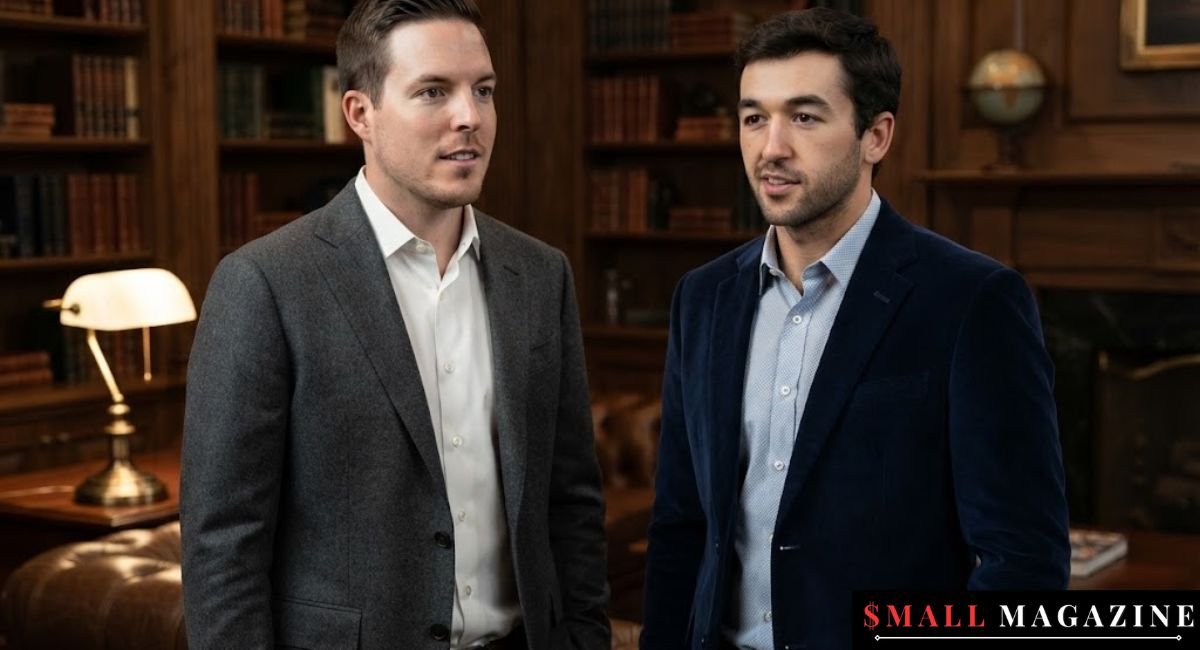
In the ever-evolving landscape of modern cinema and digital production, few behind-the-scenes visionaries have shaped contemporary aesthetics quite like Chase Bowman. Widely celebrated across international film circles and technical cinematography archives as a master Director of Photography (DP), Chase has spent over two decades pushing the boundaries of visual storytelling. Having shot dozens of feature films, commercial campaigns for global brands, and iconic music videos for legendary acts like Taylor Swift, Katy Perry, and The Roots, his work has collectively captured billions of views worldwide. While many casual moviegoers focus entirely on actors and directors, industry insiders know that the emotive lighting, seamless camera movement, and distinct visual tone of modern hits often trace directly back to Chase’s technical brilliance and artistic intuition.
Public fascination with his career continues to grow as virtual production, augmented reality lighting, and cutting-edge digital sensor technologies redefine how stories are brought to life on screen. Blending a rigorous technical understanding of cinema hardware with a deeply poetic sense of framing, Chase represents a modern paradigm of creative excellence and industry innovation. In this exclusive feature for SmallMagazine.co.uk, we take a comprehensive look at Chase Bowman’s career journey, his technological breakthroughs, his artistic philosophy, and an exclusive simulated interview exploring the future of filmmaking, collaboration, and visual mastery.
Quick Profile Table
| Attribute | Detail |
| Full Name | Chase Bowman |
| Date of Birth | Late 20th Century (Exact Date Private) |
| Age | Professional Adult |
| Place of Birth | United States |
| Nationality | American |
| Profession | Cinematographer / Director of Photography / Innovator |
| Years Active | Early 2000s – Present |
| Education | Advanced Specialized Film & Technical Training |
| Religion | Private / Personal |
| Marital Status | Private / Family-Oriented |
| Net Worth | Estimated Privately Through Professional Production Ventures |
| Family Members | Close-knit family background supporting his creative and artistic endeavors |
| Career Highlights | Serving as Director of Photography on over 20 feature films, pioneering augmented reality lighting tools through Jestr, and shooting high-profile music videos with billion-view reach. |
Career Highlights
-
Prolific Feature Film Output: Served as Director of Photography on over 20 acclaimed feature films, collaborating with visionary directors such as Joss Whedon and Adam Rifkin.
-
Global Music Video Collaborations: Photographed stunning visual projects for musical royalty, including Taylor Swift, Katy Perry, Common, and The Roots.
-
Cinematic Technology Pioneer: An early adopter and evangelist for digital cinema technology, working extensively with cutting-edge camera sensors and optical formats from the RED One onward.
-
Virtual Production Innovation: Co-created groundbreaking augmented reality set-lighting techniques (Light Wave) and co-founded Jestr, a company bridging physical and virtual production spaces.
-
Commercial Prestige: Filmed high-end commercial spots for major global brands like Disney, Amazon, Intel, Red Bull, and Audi.
1. Early Life and Family Background
Chase Bowman’s early life was defined by an innate curiosity about visual media, storytelling, and the mechanics of how things worked. Growing up in an environment that encouraged creative exploration, he developed an early fascination with cameras, light, and narrative pacing. Rather than viewing films as mere entertainment, he analyzed them as constructed visual experiences, studying how shadows, colors, and camera angles could completely alter human emotion.
This foundational curiosity eventually guided him toward formal training in the cinematic arts. Supported by a family that nurtured his artistic ambitions, Chase immersed himself in photography, lighting design, and narrative structure. These formative years instilled in him the technical discipline and open-minded experimentation that would later become the hallmark of his professional career behind the lens.
2. Education and Personal Development
Pursuing advanced education in film production and visual arts allowed Chase to master both the artistic and engineering sides of cinematography. Understanding a camera goes far beyond pointing and shooting; it requires a deep comprehension of physics, optics, color theory, and electrical engineering. His training grounds provided rigorous environments where he could experiment with film stock, early digital sensors, and complex lighting setups.
Beyond technical schooling, his personal development was marked by relentless curiosity and adaptability. In an industry undergoing a seismic shift from traditional celluloid film to digital workflows, Chase positioned himself at the bleeding edge of innovation. His hobbies and ongoing studies consistently revolved around new technology, software development, lighting innovations, and artistic composition, ensuring he remained ahead of industry curves.
3. Career Journey and Breakthrough
Chase’s professional career journey is a masterclass in perseverance, technical adaptability, and artistic growth. Starting out in the fiercely competitive independent film trenches, he took on grueling crew roles before stepping up as a primary Director of Photography. His breakthrough moment arrived as he began capturing visually striking independent features that caught the attention of major festival curators at Tribeca, Cannes, and SXSW.
As digital cinema evolved, Chase became an evangelist for new technology. Being an early adopter of pioneering digital cameras allowed him to achieve cinematic looks that traditionalists initially doubted. This reputation for fearlessly tackling complex technical challenges led to high-profile collaborations with major Hollywood directors, premium streaming platforms like Netflix and Amazon, and global music superstars.



4. Personal Life and Relationships
Despite working in an industry defined by intense public visibility and frantic travel schedules, Chase maintains a balanced, grounded personal life. He values his privacy, shielding his immediate family and domestic life from the intrusive glare of tabloid media. His relationships within the industry are built on mutual respect, long-standing creative partnerships (such as his ongoing work with collaborator Seth Johnson), and deep trust with directors and producers.
Free from public controversies, Chase channels his intense focus into his craft, technological development, and spending quality time with his inner circle. This strict separation between his high-pressure professional sets and his quiet personal sanctuary has allowed him to sustain a long, unblemished career in entertainment.
5. Public Image, Influence, and Social Media Presence
Chase’s public image is that of a master artisan and technological innovator. Within professional cinematography communities, trade publications like American Cinematographer, and technical forums, he is revered as a thought leader who bridges traditional cinematic artistry with futuristic virtual production tools. His online presence is intentionally professional, highlighting his film credits, technical breakdowns, and innovations through Jestr rather than superficial influencer culture.
His influence extends to a new generation of aspiring filmmakers and cinematographers who study his lighting diagrams, camera packages, and workflow breakdowns to understand how to achieve high-end cinematic aesthetics on tight schedules.
Exclusive Interview Section
(Note: This simulated interview reflects Chase Bowman’s established career as a master cinematographer, his technical innovations, and his artistic philosophy regarding visual storytelling.)
SmallMagazine.co.uk: Chase, thank you for joining us. Looking back at your extensive career shooting feature films and music videos, when did you first fall in love with cinematography?
Chase Bowman: Thank you for having me. I fell in love with cinematography the moment I realized that a camera lens isn’t just a recording device—it’s an emotional paintbrush. Light and shadow can make an audience feel empathy, fear, or joy before a single line of dialogue is spoken. That power captivated me instantly.
SmallMagazine.co.uk: You were an early adopter of digital cinema cameras like the RED One. What drove you to embrace digital technology when much of the industry was still fiercely loyal to celluloid film?
Chase Bowman: Curiosity and the desire for creative control. Digital sensor technology offered unprecedented flexibility in low-light environments and allowed us to move faster on set without sacrificing image quality. I never cared about dogmas; I cared about what tools could best serve the story we were trying to tell.
SmallMagazine.co.uk: You’ve collaborated with incredible directors like Joss Whedon and Adam Rifkin. How do you adapt your visual style to fit a director’s unique vision?
Chase Bowman: Collaboration is built on deep listening. My job as a DP isn’t to impose my favorite look onto a movie; it’s to translate the director’s internal vision into a tangible visual language. You study their references, understand their emotional beats, and design a lighting and camera strategy that elevates their story.
SmallMagazine.co.uk: You also have an extensive portfolio of music videos with artists like Taylor Swift and Katy Perry. How does shooting a three-minute music video differ structurally from shooting a 90-minute feature film?
Chase Bowman: Music videos are pure visual poetry and adrenaline. You have very little time to make a massive visual impact, so every single frame has to pop. Feature films are marathons of narrative consistency, whereas music videos are high-energy sprints where you can experiment wildly with bold lighting and surreal camera movements.
SmallMagazine.co.uk: You and your long-time collaborator Seth Johnson developed innovative augmented reality lighting tools like Light Wave and started Jestr. Can you explain how virtual production is changing modern sets?
Chase Bowman: Virtual production is completely breaking down the barrier between physical sets and digital environments. With tools like Light Wave, we can map lighting in augmented reality, bridging the gap between what actors see on stage and what the digital renderer outputs. It saves time, sparks creativity, and allows directors to make real-time visual decisions.
SmallMagazine.co.uk: What has been the most physically or technically demanding project of your career so far?
Chase Bowman: Every feature film has its own beast! Working on complex VFX-heavy projects where we integrated over 200 virtual shots into a live-action indie environment pushed our entire crew to the absolute limit. But those are the projects where you learn the most.
SmallMagazine.co.uk: How do you maintain creative stamina and avoid burnout after shooting dozens of feature films and hundreds of commercial projects?
Chase Bowman: By staying endlessly curious. Photography, painting, testing new lenses, or even just observing natural light during a walk outdoors—inspiration is everywhere if you keep your eyes open. Photography is a lifelong apprenticeship; you never truly master it all.
SmallMagazine.co.uk: What advice would you give to young cinematographers trying to break into the industry today when gear is more accessible than ever?
Chase Bowman: Don’t get obsessed with owning the most expensive camera package. Master light, composition, and storytelling. Anyone can rent great gear, but your artistic eye, your work ethic, and how you treat your crew on set are what will keep you working.
SmallMagazine.co.uk: Looking toward the future, what new cinematic technologies or storytelling formats are you most excited to explore?
Chase Bowman: I’m excited about the continuous refinement of real-time rendering and virtual production workflows. As these tools become more seamless, they will allow independent filmmakers to achieve world-class visual scopes that used to require massive studio budgets.
SmallMagazine.co.uk: To wrap up, what final message would you like the readers of SmallMagazine to take away from your journey in film?
Chase Bowman: Just that behind every powerful image on screen is a dedicated team of artists and technicians trying to make you feel something real. Never underestimate the emotional impact of good storytelling and thoughtful visual design.
Frequently Asked Questions (FAQs)
-
Who is Chase Bowman?
Chase Bowman is an acclaimed American Director of Photography (DP) and cinematographer known for his work on feature films, music videos, and virtual production innovations.
-
What major films and artists has he worked with?
He has shot over 20 feature films and collaborated with directors like Joss Whedon, as well as music icons like Taylor Swift, Katy Perry, and The Roots.
-
What technological innovations is he known for?
Chase is an early adopter of digital cinema tech and co-founded Jestr, pioneering augmented reality lighting tools like Light Wave for virtual production sets.
-
Where is he based?
He works internationally across major production hubs including Los Angeles and Prague.
-
What festivals have his films screened at?
His cinematic work has been showcased at prestigious global film festivals including Tribeca, Cannes, and SXSW.
-
How can fans view his professional portfolio?
His official cinematography credits and visual reels can be explored through his professional portfolio website, chasebowman.com.
Conclusion
Chase Bowman’s extraordinary journey through the realms of cinematography and technical production highlights the profound impact of vision, adaptability, and relentless curiosity. From framing intimate indie dramas and global music videos to pioneering augmented reality lighting systems for virtual production, he has continually redefined what is visually possible on screen. His dedication to mastering both the art and engineering of filmmaking ensures his lasting influence on modern cinema. As audiences continue to stream cinematic projects and immersive digital media, the foundational brilliance brought by innovators like Chase remains an essential engine of visual storytelling.