



Bullying can affect a student’s confidence, friendships, learning, and mental well-being. Schools play an important role in creating a safe place where every child feels respected and included. Anti-Bullying Week gives teachers, students, and parents an opportunity to work together and promote kindness through simple but meaningful activities.
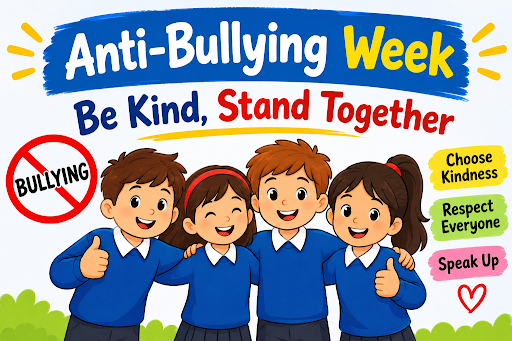
Planning engaging activities can help students understand why bullying is harmful and how their actions affect others. An Anti-Bullying Week poster can also help spread positive messages around classrooms, hallways, and school noticeboards. With creative designs and clear messages, schools can encourage students to stand against bullying and support one another.
Why Is Anti-Bullying Week Important?
Anti-Bullying Week raises awareness about different types of bullying, including physical, verbal, social, and online bullying. It encourages students to speak up, respect differences, and support classmates who may feel isolated or uncomfortable.
Schools can use this week to discuss important topics such as:
- Respecting different backgrounds, opinions, and personalities.
- Recognizing bullying and understanding its effects.
- Building healthy friendships and supporting classmates.
- Reporting harmful behavior to trusted adults.
- Using social media responsibly and preventing cyberbullying.
These lessons help students understand that even small acts of kindness can make a positive difference.
Creative Anti-Bullying Week Poster Ideas
Posters are an easy way to share important messages throughout the school. Teachers can encourage students to create their own designs using drawings, colorful lettering, and short slogans.
An Anti-Bullying Week poster can include messages such as:
- Be Kind, Stand Together.
- Stop Bullying, Start Smiling.
- Everyone Deserves Respect.
- Choose Kindness Every Day.
- Speak Up Against Bullying.
- Different Together, Stronger Together.
Schools can display these designs near classrooms, libraries, playgrounds, and entrances. This helps keep the message visible and reminds students to treat everyone with kindness.
Fun Classroom Activities
Classroom activities make anti-bullying lessons more interesting and help students understand the importance of positive behavior.
- Kindness Challenge
Ask students to complete one kind action every day during the week. They can help a classmate, share school supplies, offer encouragement, or include someone in a group activity.
- Role-Playing Exercises
Create simple situations involving bullying and ask students to act out positive ways to respond. This helps them practice supporting others, reporting incidents, and refusing to join harmful behavior.
- Friendship Wall
Set up a classroom wall where students can write positive messages about their classmates. These notes can highlight helpful actions, good qualities, and acts of friendship.
- Group Discussions
Give students an opportunity to discuss bullying, its effects, and ways to prevent it. Encourage everyone to share ideas without making anyone feel uncomfortable.
Design This School Poster Competition
A poster competition is a great way to involve students in Anti-Bullying Week. Divide students into groups or allow them to work individually to create artwork that promotes kindness, equality, and respect.
Teachers can provide basic materials such as paper, markers, colored pencils, and paints. Students should focus on creating clear messages that other children can easily understand.
This school poster competition can include simple judging categories:
- Most creative design.
- Best anti-bullying message.
- Most inspiring slogan.
- Best use of colors and illustrations.
- Strongest message about friendship.
Display the winning entries around the school to encourage participation and keep the campaign active.
Organize a School-Wide Kindness Day
A dedicated kindness day can bring the whole school community together. Students, teachers, and other staff members can participate in activities that encourage respect and positive communication.
Some useful ideas include:
- Wearing odd socks to celebrate individuality.
- Creating a kindness tree with positive messages.
- Organizing friendship games during break time.
- Sharing stories about helping others.
- Giving appreciation cards to classmates and teachers.
These activities create opportunities for students to connect with others and build stronger friendships.
Teach Students About Cyberbullying
Bullying does not always happen in classrooms or playgrounds. It can also take place through social media, messaging apps, online games, and other digital platforms.
Teachers should explain how students can recognize cyberbullying and protect themselves online. They should learn not to share harmful messages, spread embarrassing pictures, or participate in online harassment.
Encourage students to:
- Avoid replying to threatening or abusive messages.
- Save evidence of cyberbullying when safe to do so.
- Block and report accounts that cause harm.
- Tell a parent, teacher, or trusted adult.
- Respect other people’s privacy online.
These simple lessons can help students make safer choices when using digital devices.
How Schools Can Keep the Message Alive?
Anti-bullying education should continue after the awareness week ends. Schools can create a positive environment by encouraging open communication and making sure students know where to seek help.
Teachers can organize monthly kindness activities, display student artwork, and include friendship lessons in classroom discussions. Parents can also support these efforts by talking with children about their experiences and encouraging respectful behavior at home.
Schools should also have clear reporting procedures so students feel safe when sharing concerns. Every report should be taken seriously, and students should receive appropriate support.
Conclusion
Planning activities for Anti-Bullying Week is a great way to teach students about kindness, friendship, and respect. From classroom discussions and role-playing exercises to poster competitions and kindness challenges, schools have many ways to make the week meaningful.
An Anti-Bullying Week poster can strengthen the campaign by sharing positive messages that students see every day. When teachers, parents, and students work together, they can build a school environment where everyone feels safe, valued, and included.
