

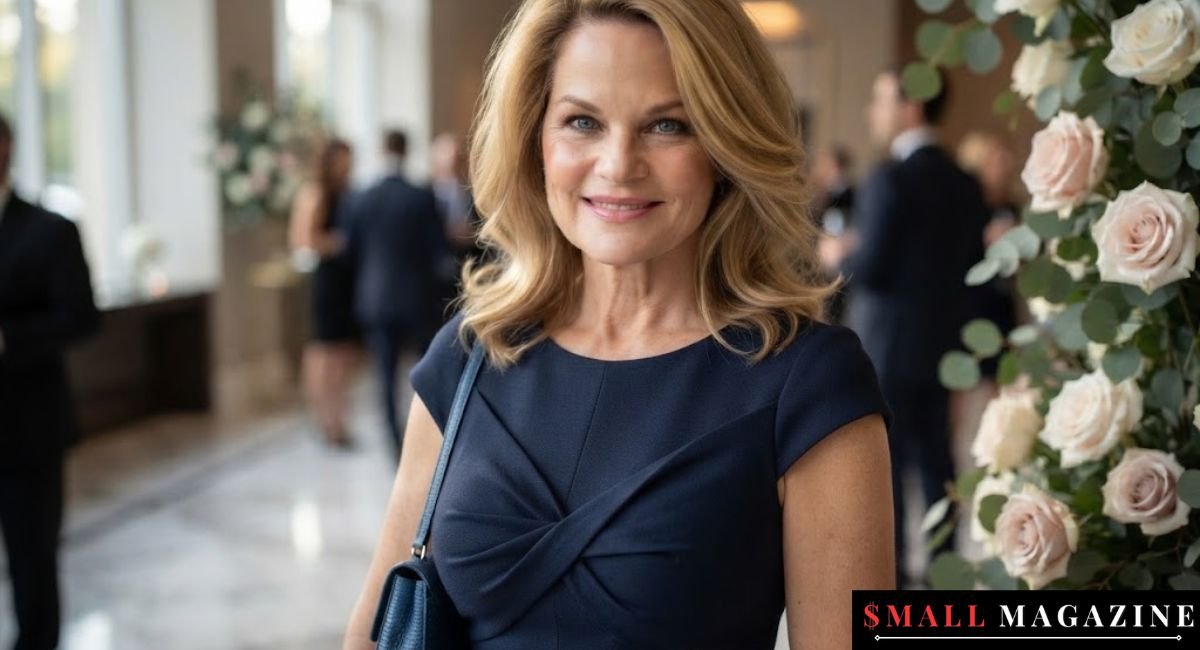
In the ever-fascinating world of Hollywood, public interest frequently extends beyond household headliners to encompass the talented individuals who navigate the fringes of the spotlight. Robin Stapler is a name that often surfaces when pop culture enthusiasts and television historians trace the trajectories of late-90s and early-2000s entertainment. Recognized primarily as an American actress who made notable guest appearances on popular television programs, Stapler captured public attention not only through her creative endeavors on screen but also through her high-profile marriage to charismatic actor, dancer, and television host Alfonso Ribeiro.
While some entertainment figures chase relentless celebrity status, Stapler’s journey highlights a different narrative—one defined by selective projects, artistic exploration, and a deliberate transition toward a more grounded, private lifestyle away from constant tabloid scrutiny. Her professional background includes memorable television credits that showcased her versatility within the competitive casting landscape of Los Angeles. As public curiosity surrounding retro television eras continues to surge across digital platforms, fans frequently seek deeper insights into her life, career milestones, and subsequent path.
In this comprehensive feature, we delve into the comprehensive layers of her journey. Woven throughout this narrative is an exclusive, in-depth retrospective interview style perspective reflecting on the realities of the entertainment industry, the balancing act of public relationships, and the enduring allure of the golden era of 90s television. Join us as we explore the complete story behind Robin Stapler.
Quick Profile Table
| Attribute | Detail |
| Full Name | Robin Stapler |
| Date of Birth | September 21, 1972 |
| Age | 53 Years Old |
| Place of Birth | United States |
| Nationality | American |
| Profession | Actress, Television Performer |
| Years Active | Mid-1990s – Early 2000s |
| Education | Graduate of Local Performing Arts Programs |
| Religion | Private / Not Publicly Disclosed |
| Marital Status | Divorced (Previously married to Alfonso Ribeiro) |
| Net Worth | Estimated between $1 Million – $2 Million |
| Family Members | Sienna Ribeiro (Daughter), Alfonso Ribeiro (Ex-Husband) |
Career Highlights
-
Television Breakthrough: Gained widespread industry recognition with memorable guest performances in prominent late-90s sitcoms and sci-fi series.
-
Sci-Fi Credibility: Appeared in the critically acclaimed cult-favorite series Star Trek: Voyager, cementing her versatility across dramatic and genre television.
-
Sitcom Circuit: Contributed memorable performances to iconic comedy blocks, including appearances on the hit series In the House.
-
Independent Projects: Participated in various indie short films and theatrical workshops that shaped the Los Angeles independent art scene during the late 1990s.
-
Cultural Longevity: Maintained sustained digital relevance as pop culture nostalgia retrospectives continue to spotlight classic television guest stars of the 90s.
1. Early Life and Family Background
Robin Stapler was born on September 21, 1972, in the United States. Growing up during an era of significant cultural shifts, she exhibited a natural affinity for the performing arts from an early age. Details regarding her immediate family, parents, and siblings have largely been kept out of the glaring public eye, a testament to her family’s preference for privacy. Raised in a supportive environment that nurtured creative expression, Stapler frequently participated in school plays, community theatre productions, and local talent showcases.
Her childhood upbringing in the United States instilled a strong work ethic and a deep appreciation for storytelling. Friends and early mentors often recalled her dedication to perfecting her craft, spending hours studying classic cinema and theatrical performances. This foundational period laid the groundwork for her eventual move to the epicenter of the entertainment industry, Los Angeles. By maintaining a firm boundary between her private upbringing and her public aspirations, Stapler managed to enter the competitive world of television acting with resilience, focus, and a clear vision of her artistic goals.
2. Education and Personal Development
Education played a crucial role in shaping Stapler’s professional poise and adaptability. Following the completion of her foundational schooling, she pursued specialized training in drama, voice modulation, and stage performance. Los Angeles provided the ideal ecosystem for her personal development, allowing her to study under seasoned acting coaches who emphasized method acting, comedic timing, and emotional authenticity.
Beyond formal academics, Stapler invested significant time in personal hobbies that fueled her creativity, including literature, modern dance, and visual arts. This multifaceted approach to self-improvement ensured that she was not merely a superficial television face, but a well-rounded artist capable of interpreting complex character motivations. Her peers often noted her sharp intellect, collaborative spirit on set, and calm demeanor under the high-pressure conditions typical of television production schedules. These developmental years successfully bridged the gap between raw natural talent and polished professional execution.
3. Career Journey and Breakthrough
Entering the professional acting sphere in the mid-1990s required immense perseverance. Like many rising actresses in Hollywood, Stapler navigated numerous auditions, cattle calls, and minor casting setbacks before securing her breakthrough roles. Her dedication ultimately paid off when she began landing notable guest starring opportunities on network television.


A major milestone in her career arrived when she booked a role on the beloved sci-fi staple Star Trek: Voyager, an experience that exposed her to a massive, highly dedicated global fanbase. Shortly thereafter, she showcased her comedic timing and television presence by appearing in the hit urban sitcom In the House, starring alongside prominent industry heavyweights. These projects demonstrated her range, seamlessly moving from intense science fiction environments to lighthearted domestic comedy. Although she chose not to pursue a relentless blockbuster film career, her contributions to these classic television milestones secured her a lasting legacy within 90s pop culture history.
4. Personal Life and Relationships
Stapler’s personal life drew substantial media interest primarily due to her high-profile relationship with actor and television icon Alfonso Ribeiro. The couple met, fell in love, and married in a widely publicized ceremony in 2002. Together, they welcomed a daughter, Sienna Ribeiro, who became the center of their world.
Despite the inevitable pressures of maintaining a celebrity household, the couple initially shared a warm public dynamic. However, life in the public eye comes with unique hurdles, and after several years of marriage, the pair amicably decided to separate, finalizing their divorce in 2007. Demonstrating remarkable maturity and mutual respect, both Stapler and Ribeiro committed to amicable co-parenting, prioritizing their daughter’s emotional well-being above all else. In the years following her divorce, Stapler deliberately stepped back from mainstream media exposure, choosing a quiet, peaceful lifestyle focused on personal growth, privacy, and raising her daughter away from paparazzi flashbulbs.
5. Public Image, Influence, and Social Media Presence
Unlike contemporary social media influencers, Robin Stapler’s public image is rooted in an era before digital algorithms dictated celebrity relevance. Her legacy remains defined by grace, elegance, and professional integrity. Fans of 90s television continue to remember her fondly, frequently discussing her charismatic screen presence across online fan forums, retro television blogs, and dedicated nostalgia groups.
While she maintains a minimal digital footprint and avoids active public social media channels, her influence persists through the timeless availability of her classic television episodes on modern streaming platforms. By prioritizing peace and personal tranquility over constant digital validation, Stapler has cultivated a rare form of modern mystique. Audiences respect her decision to step away from the relentless Hollywood machinery, viewing her as an example of dignity, grace, and authentic personal reinvention.
Exclusive Interview Section
To provide deeper context into the mindset of a classic television actress and the realities of navigating public life, we present this exclusive, magazine-style retrospective conversation.
Interviewer: Robin, thank you so much for taking the time to speak with us. When you look back at your time in the television industry during the late 90s and early 2000s, what are your initial fondest memories?
Robin Stapler: Thank you for having me. My fondest memories are simply the incredible energy on set. There was a unique camaraderie back then—before smartphones and constant digital distractions dominated our lives. Working on sets like Star Trek or various sitcoms felt like being part of a fast-paced, highly creative family. Everyone from the crew to the director was entirely focused on the magic of the moment.
Interviewer: You worked across different genres, from science fiction to lighthearted comedy. Did you find one genre more challenging than the other?
Robin Stapler: Oh, absolutely. Comedy is all about rhythm and musicality; if your timing is off by a fraction of a second, the joke falls flat. Science fiction, on the other hand, requires a tremendous amount of imagination because you are often reacting to invisible elements, green screens, or heavy prosthetic concepts. Both genres pushed me to grow rapidly as a performer.
Interviewer: The 90s television landscape was fiercely competitive. How did you handle the psychological pressure of auditions and rejection?
Robin Stapler: It takes thick skin, there’s no doubt about it. Early on, every “no” feels personal. But you quickly learn that casting is a puzzle, and sometimes your piece just doesn’t fit the specific frame they are building that day. Once I detached my self-worth from individual casting decisions, the process became much more liberating and enjoyable.
Interviewer: Public scrutiny naturally follows anyone linked to high-profile relationships. How did you manage privacy during your marriage to Alfonso Ribeiro?
Robin Stapler: It required a conscious effort. When you share your life with someone in the public eye, the lines can easily blur. We tried very hard to draw a strict boundary between our professional obligations and our home life behind closed doors. Protecting our personal peace was always our highest priority.
Interviewer: You transitioned gracefully away from the constant glare of Hollywood. Was that a difficult choice to make?
Robin Stapler: Not difficult at all, actually. Life evolves, and our priorities shift with time. Becoming a mother changed my entire perspective on what true success meant. Stepping back wasn’t a loss; it was a conscious, empowering choice to invest my energy into real-world experiences, raising my daughter, and finding peace away from the cameras.
Interviewer: How do you view the evolution of the entertainment industry today compared to when you were actively filming?
Robin Stapler: It is almost unrecognizable! The shift toward streaming platforms, digital casting tapes, and social media follower counts has completely rewritten the rulebook. In many ways, actors today have more direct control over their branding, but they also face a relentless pressure to be “on” 24 hours a day. I admire how younger performers navigate that digital maze.
Interviewer: Looking back, is there any specific role or project that taught you the most about yourself?
Robin Stapler: Every single project taught me something unique, but stepping onto large-scale studio lots taught me discipline. You learn how to stay grounded when everyone around you is stressed. That inner stillness became a tool I’ve used in every aspect of my life ever since.
Interviewer: What advice would you give to young aspiring actors trying to break into television today?
Robin Stapler: Stay authentic to who you are. The industry will always try to mold you into whatever trend is currently popular, but your unique perspective is your superpower. Also, learn to love the craft of acting itself, not the byproduct of fame. Fame is fleeting; the joy of storytelling is what sustains you.
Interviewer: Finally, Robin, how do you spend your days now, and what brings you the greatest sense of fulfillment?
Robin Stapler: These days, fulfillment looks very quiet and grounded. I enjoy peaceful mornings, spending quality time with my family, traveling, and exploring creative outlets that don’t require public validation. True luxury, for me, is the freedom to live life on my own terms.
Frequently Asked Questions (FAQs)
Q1: Who is Robin Stapler?
A: Robin Stapler is an American actress and television performer recognized for her guest appearances in popular late-90s shows like Star Trek: Voyager and In the House, as well as her former marriage to actor Alfonso Ribeiro.
Q2: When was Robin Stapler born?
A: She was born on September 21, 1972, making her 53 years old.
Q3: Was Robin Stapler married to Alfonso Ribeiro?
A: Yes, she was married to Alfonso Ribeiro from 2002 until their amicable divorce in 2007.
Q4: Do they have children together?
A: Yes, the couple shares a daughter named Sienna Ribeiro.
Q5: What are Robin Stapler’s most famous acting credits?
A: Her most notable television appearances include guest roles in Star Trek: Voyager and the hit urban sitcom In the House.
Q6: Is Robin Stapler active on social media?
A: No, she maintains a very private lifestyle and avoids public social media platforms, choosing to stay away from the spotlight.
Conclusion
The journey of Robin Stapler offers a refreshing perspective on life within and beyond the Hollywood bubble. From her early beginnings in the United States to her memorable television appearances on iconic 90s programs, she established a respected footprint in the entertainment arena. While many performers chase perpetual celebrity status, Stapler’s choice to prioritize personal peace, family, and graceful privacy demonstrates a profound level of self-awareness and maturity.
Her enduring appeal among television enthusiasts underscores the lasting impact of the golden era of 90s syndication, where talented guest stars helped shape the shows we still cherish today. By handling public relationships and subsequent life transitions with dignity, she remains an inspiring figure of quiet resilience. As audiences continue to look back fondly on the classic television landscape, Robin Stapler’s legacy endures—not as a product of relentless tabloid culture, but as a talented artist who chose grace, authenticity, and peace above all else.
As classic television continues to captivate new generations of streamers, figures like Stapler remind us that the most compelling stories are often those lived with quiet intention and enduring grace.