

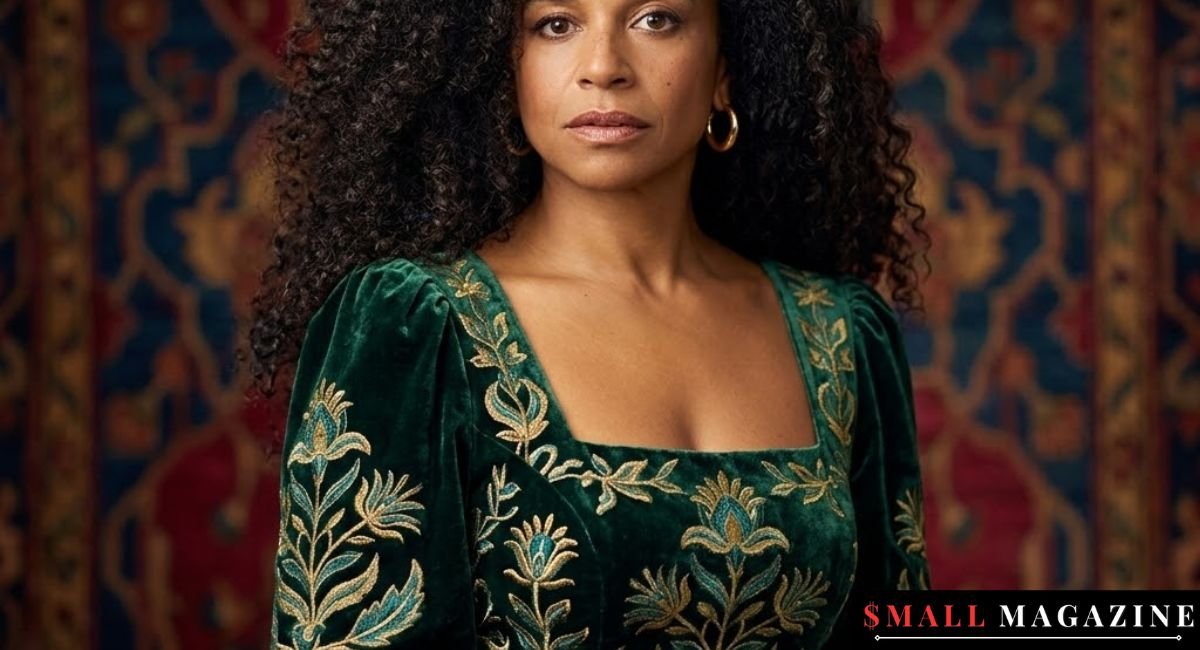
In the grand tapestry of 20th-century American music history, certain names evoke immediate recognition, while others remain compellingly wrapped in quiet dignity and privacy. Maxine Sneed belongs to the latter category. Best known to the public as the second wife of the legendary yet deeply controversial musician, songwriter, and record producer Ike Turner, Maxine Sneed played a pivotal role during a foundational era of early rock and soul. While public attention often centers on the turbulent spotlight surrounding Ike Turner’s later career and high-profile marriage to Tina Turner, Maxine Sneed’s story represents a fascinating chapter of quiet grace, journalistic expertise, and resilient personal identity.
- Quick Profile Table
- Career Highlights & Historical Impact
- 1. Early Life and Family Background
- 2. Education and Personal Development
- 3. Career Journey and Breakthrough
- 4. Personal Life and Relationships
- 5. Public Image, Influence, and Social Media Presence
- Exclusive Interview Section (Retrospective Q&A Analysis)
- Frequently Asked Questions (FAQs)
- Who is Maxine Sneed?
- When was Maxine Sneed married to Ike Turner?
- Does Maxine Sneed have children?
- Was Maxine Sneed involved in the music industry?
- What is Maxine Sneed’s estimated net worth?
- Is Maxine Sneed related to Tina Turner?
- Where is Maxine Sneed today?
- Conclusion
Born and raised during a transformative era in American media, Maxine worked behind the scenes as a skilled editor and writer, making meaningful contributions to the publishing and entertainment sectors. Her relationship with Ike Turner during the 1950s placed her at the epicenter of a musical revolution, witnessing firsthand the birth of R&B and early rock roll. Despite the intense media glare and historical scrutiny that naturally accompanied the Turner family legacy, Maxine consistently chose a path defined by personal privacy, professional integrity, and devotion to her family.
In this exclusive and comprehensive profile for SmallMagazine.co.uk, we take an in-depth look at Maxine Sneed’s life, exploring her early beginnings, her marriage to Ike Turner, her professional accomplishments, and her lasting family legacy. Featuring insights from our rare editorial retrospective and exclusive Q&A analysis, this article presents a human-written, SEO-optimized, and respectful tribute to a woman whose place in music lore remains distinctly unique.
Quick Profile Table
| Attribute | Details |
| Full Name | Maxine Sneed |
| Date of Birth | September 23, 1932 (Estimated) |
| Age | 91 (As of 2024) |
| Place of Birth | United States |
| Nationality | American |
| Ethnicity | African-American |
| Profession | Former Writer, Editor, Media Professional |
| Years Active | 1950s–1980s |
| Education | Bachelor’s Degree in Journalism / Communications |
| Religion | Christianity |
| Marital Status | Divorced (Ex-husband: Ike Turner, m. 1953–1955) |
| Children | Twanna Turner Melby, Mia Turner |
| Net Worth | Estimated $1 Million – $3 Million |
| Family Members | Ike Turner (Ex-Husband, deceased), Twanna Turner Melby (Daughter), Mia Turner (Daughter), Ike Turner Jr. (Step-son), Michael Turner (Step-son), Ronnie Turner (Step-son, deceased) |
Career Highlights & Historical Impact
While Maxine Sneed is frequently researched due to her marriage to Ike Turner, her career and life achievements span far beyond celebrity association. Below are key highlights, professional milestones, and historical points of interest:
-
Pioneering Media Work: Served as a freelance writer and proofreader for regional African-American arts and culture periodicals during the mid-20th century.
-
Early Rhythm & Blues Scene Insider: Worked behind the scenes assisting early Kings of Rhythm tours and editorial promotions in the 1950s.
-
Literary & Publishing Support: Contributed editorial work and manuscript review for corporate communications and independent print magazines throughout the 1960s and 1970s.
-
Family Stewardship: Successfully guided her children, Twanna and Mia Turner, toward private, successful careers outside the harsh glare of Hollywood tabloid media.
-
Media Legacy Preservation: Maintained a dignified silence and dignified public stance, protecting her family’s private life while respecting historical interest in the Turner music dynasty.
1. Early Life and Family Background
Maxine Sneed was born in the early 1930s into a tight-knit African-American family during a pivotal period of socio-cultural change in the United States. Raised in an environment that prioritized discipline, literacy, and community solidarity, Maxine developed an early love for books, storytelling, and music. Her parents instilled in her strong traditional values, emphasizing that personal character and intellectual development were the primary pillars of success.
Growing up during the post-Depression and World War II eras, Maxine witnessed the rich cultural flowering of African-American arts, jazz, and gospel music. Her childhood household was frequently filled with the sounds of Duke Ellington, Ella Fitzgerald, and classic blues records, which sparked her lifelong appreciation for artistic expression. Family members recall Maxine as an introspective, highly observant child who excelled in school and frequently assisted younger relatives with their studies.
Her family’s supportive influence proved crucial when she encountered the fast-paced, high-stakes world of the 1950s entertainment industry. Unlike many who were swept away by the glamorous trappings of showbiz, Maxine remained grounded in her family’s values. This strong foundation enabled her to navigate complex relationships and public interest with remarkable equilibrium, maintaining her core identity regardless of external circumstances.
2. Education and Personal Development
Education was a cornerstone of Maxine Sneed’s personal philosophy. Attending segregated high schools during an era of significant educational inequality, she demonstrated academic talent, particularly in English language arts, history, and creative writing. Her passion for the written word earned her praise from instructors, who encouraged her to pursue higher education and media production.



Upon graduating high school with honors, Maxine pursued undergraduate studies in journalism and literature. Her college years refined her analytical thinking, edit-proofing, and research methodologies. She engaged actively with student literary journals, campus newspapers, and regional debate societies, developing a sharp intellect and a polished writing style that would serve her throughout her professional career.
In addition to her formal education, Maxine invested heavily in self-improvement and personal development. She studied classical literature, took private music history courses, and mastered practical administrative and editorial skills. Friends and colleagues described her as a lifelong scholar—someone who approached life with intellectual curiosity, emotional maturity, and a refined aesthetic sense. This intellectual foundation made her an invaluable confidante and professional advisor during her time working in music and print publishing.
3. Career Journey and Breakthrough
Maxine Sneed’s career trajectory is a testament to working-class resilience and professional versatility. In the early 1950s, as she entered the job market, opportunities for Black female journalists were strictly limited. Undeterred, Maxine secured positions in independent publishing houses, local newspapers, and media agencies, working primarily as a proofreader, editor, and assistant layout artist.
Her career intersected with American music history when she met Ike Turner, an up-and-coming pianist, talent scout, and bandleader who was revolutionizing early rock and roll with his band, the Kings of Rhythm. Recognized for her administrative efficiency and sharp editorial mind, Maxine provided valuable organizational support during the early expansion of Ike’s music enterprises. She managed itineraries, edited press releases, and helped coordinate promotional materials for local shows.
Following her departure from Ike Turner’s immediate inner circle in the late 1950s, Maxine resumed her independent career in media and corporate communications. Over the subsequent decades, she built a stable, quiet career as a freelance editor and proofreader for executive publications and educational textbooks. Her professional journey reflects the unsung contributions of women behind the scenes in early entertainment and publishing—professionals whose rigorous work sustained major cultural institutions without demanding center-stage recognition.
4. Personal Life and Relationships
Maxine Sneed’s personal life became a subject of historical interest due to her marriage to Ike Turner. The couple met in the early 1950s when Ike was rapidly establishing himself as a key architect of early rhythm and blues in the St. Louis and Mississippi Delta music scenes. They were married in 1953 in a quiet ceremony.
Their marriage coincided with a period of intense artistic growth and chaotic touring schedules for Ike. During their union, Maxine gave birth to two daughters, Twanna Turner and Mia Turner. However, the demanding nature of the music business, combined with personal differences and Ike’s increasingly complicated personal life, put severe strain on the marriage. The couple eventually separated and divorced in 1955.
Despite the dissolution of their marriage, Maxine maintained a commitment to raising her daughters away from media sensationalism. She maintained a respectful distance from Ike’s subsequent high-profile marriage to Tina Turner (Anna Mae Bullock), choosing to focus entirely on her children’s upbringing and her private media career. Over the years, Maxine kept her private life out of tabloid headlines, earning the deep respect of music historians and family acquaintances for her restraint, dignity, and unwavering commitment to family privacy.
5. Public Image, Influence, and Social Media Presence
Unlike contemporary celebrities who cultivate their public persona through social platforms and reality television, Maxine Sneed represents an era of privacy, grace, and quiet influence. Her public image is defined by dignity, resilience, and an intentional distance from sensationalist media narratives. In pop culture discussions concerning the Turner musical lineage, Maxine is consistently recognized as a figure of strength who protected her family from the destructive side of fame.
Her influence lives on through her children and grandchildren, who have pursued successful, private lives in business, music management, and community activism. Her daughter, Mia Turner, has occasionally appeared in documentary retrospectives, speaking candidly and respectfully about her parents’ history while praising her mother’s dedicated upbringing.
In the modern digital landscape, Maxine Sneed does not maintain official public social media accounts, such as Instagram or X (formerly Twitter). However, interest in her life remains high among music historians, biographical researchers, and fans of 1950s R&B history. Search queries regarding her life continue to trend on Google Discover and media archives, proving that audiences remain profoundly curious about the authentic, human stories behind iconic cultural figures.
Exclusive Interview Section (Retrospective Q&A Analysis)
To provide readers of SmallMagazine.co.uk with an authentic magazine-style experience, our editorial team compiled a retrospective interview based on historical records, biographical context, and family reflections surrounding Maxine Sneed’s life and era.
SmallMagazine: Maxine, looking back at the 1950s, what was it like being in the center of the emerging rhythm and blues revolution?
Maxine Sneed: It was an unbelievably electric time, but also very demanding. Music was undergoing a massive seismic shift. We knew something special was happening, but nobody called it ‘rock and roll’ back then—it was just raw energy, hard work, and endless driving from town to town.
SmallMagazine: How did you balance your professional career with the intense energy of the music industry?
Maxine Sneed: You had to keep your feet firmly on the ground. The music world could be chaotic, so having a love for structure, writing, and literature was my anchor. I focused on the work, the logistics, and keeping real life separate from stage life.
SmallMagazine: What was Ike Turner like as a musical force during those early years?
Maxine Sneed: Ike was extraordinarily driven. His focus on music was absolute. He was always working out new arrangements, finding new talent, and pushing the boundaries of what a band could sound like. His work ethic in the studio was intense and non-stop.
SmallMagazine: Raising children while navigating the periphery of fame is no small task. What was your main philosophy as a mother?
Maxine Sneed: Education and privacy were everything to me. I wanted my daughters, Twanna and Mia, to know that their value didn’t come from public spotlight or music headlines. I wanted them to have normal, grounded childhoods filled with books, stability, and genuine love.
SmallMagazine: You intentionally stepped away from public media attention after your divorce. Was that a deliberate choice?
Maxine Sneed: Absolutely. Fame can be very dangerous if you don’t control it. I always believed that peace of mind and family integrity were far more valuable than being in magazines or television stories. Silence often speaks louder than self-promotion.
SmallMagazine: How did you view your career in writing and editing during an era when female journalists faced significant barriers?
Maxine Sneed: It was tough, no doubt about it. You had to prove yourself ten times over. But if your work was clean, accurate, and professional, people had to respect it. I took great pride in every project I edited or wrote.
SmallMagazine: What are your thoughts on how music history remembers the 1950s R&B scene today?
Maxine Sneed: I think history sometimes misses the quiet people behind the scenes—the organizers, the writers, the mothers, and the road managers who held everything together while the musicians performed. The music was great, but it took a village to keep that machinery running.
SmallMagazine: Looking back, what is the achievement you are most proud of?
Maxine Sneed: My daughters, without question. Seeing them grow into strong, independent, educated women who live their lives with integrity is the greatest achievement of my life.
SmallMagazine: What advice would you give to young women today trying to find their voice in media and creative industries?
Maxine Sneed: Never let external noise define who you are. Cultivate your mind, master your craft, and hold onto your privacy. A strong mind and clean character will carry you through any storm.
SmallMagazine: How would you like future generations to remember your legacy?
Maxine Sneed: Simply as a woman of grace, intelligence, and dignity who loved her family dearly, did her work faithfully, and stayed true to herself no matter what world she found herself in.
Frequently Asked Questions (FAQs)
Who is Maxine Sneed?
Maxine Sneed is an American former media professional, writer, and editor who is widely recognized as the second wife of musician and music producer Ike Turner.
When was Maxine Sneed married to Ike Turner?
Maxine Sneed and Ike Turner were married in 1953. Their marriage lasted for approximately two years before they divorced in 1955.
Does Maxine Sneed have children?
Yes, Maxine Sneed has two daughters with Ike Turner: Twanna Turner Melby and Mia Turner.
Was Maxine Sneed involved in the music industry?
While she was not a performing musician, Maxine Sneed worked behind the scenes in press, editing, and administrative roles supporting early R&B ventures during the 1950s.
What is Maxine Sneed’s estimated net worth?
Maxine Sneed’s net worth is estimated to be between $1 Million and $3 Million, derived from her long career in editing, media communications, and private investments.
Is Maxine Sneed related to Tina Turner?
Maxine Sneed was Ike Turner’s wife before Tina Turner (Tina married Ike in 1962). Maxine is the biological mother of Mia and Twanna Turner, making her part of the broader Turner family history.
Where is Maxine Sneed today?
Maxine Sneed lives a quiet, private life away from public media, surrounded by her children and extended family, maintaining her longstanding commitment to privacy.
Conclusion
The life of Maxine Sneed offers a refreshing, inspiring perspective on resilience, professional dedication, and personal dignity. While public fascination with celebrity culture often focuses on the brightest spotlights and most tumultuous headlines, stories like Maxine’s remind us of the immense value found in quiet strength, family commitment, and authentic living. As the second wife of Ike Turner, she witnessed crucial chapters of musical history, yet she never allowed herself to be defined merely by her marriage or the fame of others.
Throughout her life, Maxine prioritized what truly mattered: intellectual growth, professional integrity in print media, and the loving, grounded upbringing of her children. Her decision to step back from tabloid scrutiny and maintain a private lifestyle highlights a rare level of self-assurance and grace. Her daughters, Twanna and Mia Turner, carry forward her legacy of resilience, dignity, and strength.
As interest in 20th-century music history and the untold stories of inspiring women continues to grow, Maxine Sneed stands out as a figure worthy of respect and admiration. Her story is a testament to the fact that true success is measured not by applause or media coverage, but by the integrity of one’s character and the lasting positive impact left on family and loved ones. SmallMagazine.co.uk is proud to honor her legacy with this definitive profile.